Hydrangeas: colours, care and vase life
Big, billowy hydrangeas are the flower of the cool, leafy parts of Australia, from the Dandenongs to the Blue Mountains and Tasmania. They are also a bit of a chemistry set, because the soil can decide whether the same plant flowers pink or blue.


Send a generous bunch to someone who deserves it.
Order flowersA shrub with a seasonal calendar
The mophead hydrangea (Hydrangea macrophylla) comes from Japan and grows into a deciduous shrub about three metres tall. It loses its leaves in winter, then flowers from roughly December to March. Other species come from eastern Asia and the Americas, and all are happiest with cool nights, rich soil, mulch and shelter from fierce afternoon sun. In hot inland areas and the tropical north, they struggle.
What decides the colour
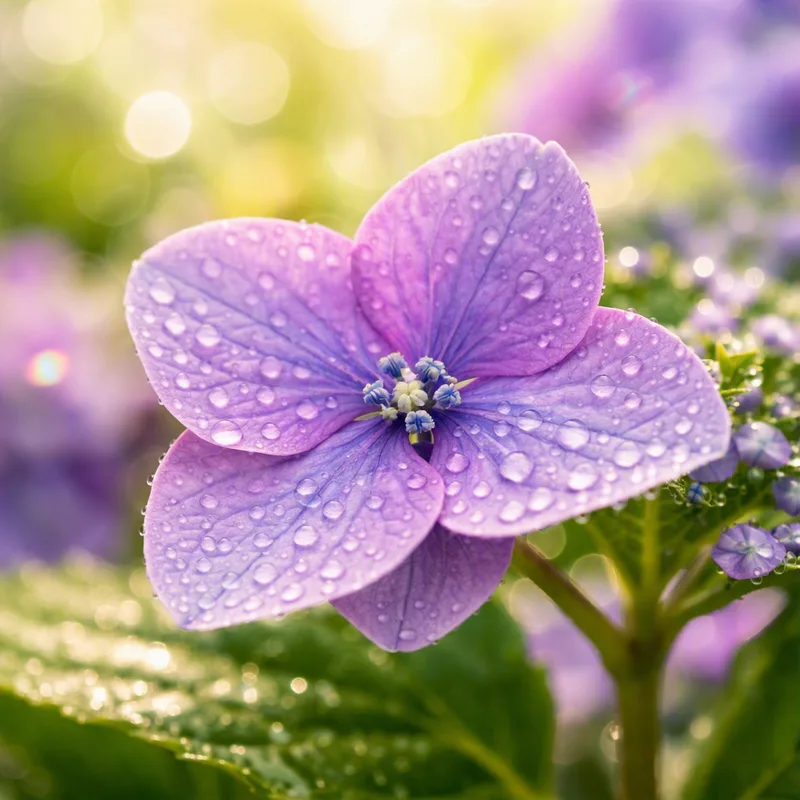
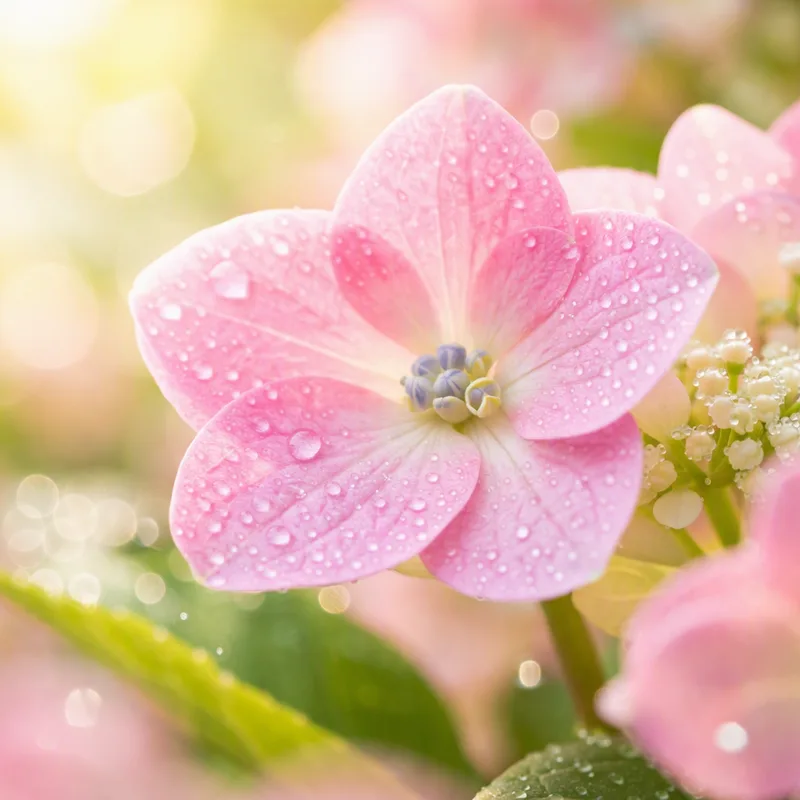
On mopheads, acid soil (below about pH 5.5) usually gives blue, while neutral to alkaline soil gives pink or red. The reason is aluminium: acid soil lets the roots absorb it, and aluminium turns the pigment blue. White varieties ignore the soil altogether. Gardeners wanting blue add sulphur or an aluminium sulphate product; those who prefer pink use garden lime or dolomite.
What a bunch of hydrangeas says
Because each head is made of dozens of florets, hydrangeas read as generosity and abundance, and they are a lovely way to say thank you or congratulations. The Victorians were less kind, linking them with boastfulness, but few people think of that now. Soft blue is calm; pink is warm; white feels fresh and celebratory.
Types worth knowing
- Mophead and lacecap (H. macrophylla): the classic round or flat-topped flowers, in blue, pink, purple or white.
- Smooth hydrangea (H. arborescens, such as ‘Annabelle’): big white domes on a tidy shrub.
- Panicle hydrangea (H. paniculata): cone-shaped heads that fade from white to pink, and a tougher plant in sun.
- Oakleaf hydrangea (H. quercifolia): lobed, oak-like leaves that turn red in autumn.
- Climbing hydrangea (H. anomala subsp. petiolaris): clings to walls and fences in shade.
Delivery right across Australia, with your own message on the card.
View the selectionRescuing a thirsty hydrangea
Hydrangeas take in water through their petals as well as their stems, which is why a limp bunch often revives after a bath. If the heads flop:
- Recut the stems, then lay the whole bunch in a sink or tub of cool water for up to an hour.
- Strip most of the leaves, since they lose water fast.
- Stand the stems in deep, clean water and top up daily.
- Keep the vase out of the afternoon sun and away from heaters and air-conditioner outlets.
A simple order of flowers with hydrangeas lasts longest in a cool room. Read about meanings in our flower language guide, or keep the bunch going with the care tips.
Hydrangea facts
| Detail | What to know |
|---|---|
| Vase life | about 3 to 7 days |
| Colour is influenced by | soil acidity (pH) |
| Garden flowering (southern Australia) | roughly December to March |
| Best site | morning sun, afternoon shade, mulch |
Pruning on the southern calendar
Most mopheads set next year’s buds on old wood, so cut lightly just after flowering in late summer or autumn and leave the rest. Panicle and smooth hydrangeas flower on new wood and can be cut back harder in late winter. Water deeply in dry spells, because wilting leaves are the first sign of thirst.
Want to send a hydrangea bouquet? See what we can deliver across Australia.
Choose a bouquet →