Roses: colour meanings, types and vase care
A rose says something before a word is spoken, and the colour decides what. This guide covers what each shade means, the types you will meet at a florist or in the garden, and how to stop a bunch collapsing on a hot day.


Choose roses for an anniversary, a thank-you or an apology.
Order flowersOne flower, many messages
People have attached meaning to roses for thousands of years, and the colour is what changes the message. If you want to send flowers that speak plainly, roses rarely get it wrong. These are the usual readings:
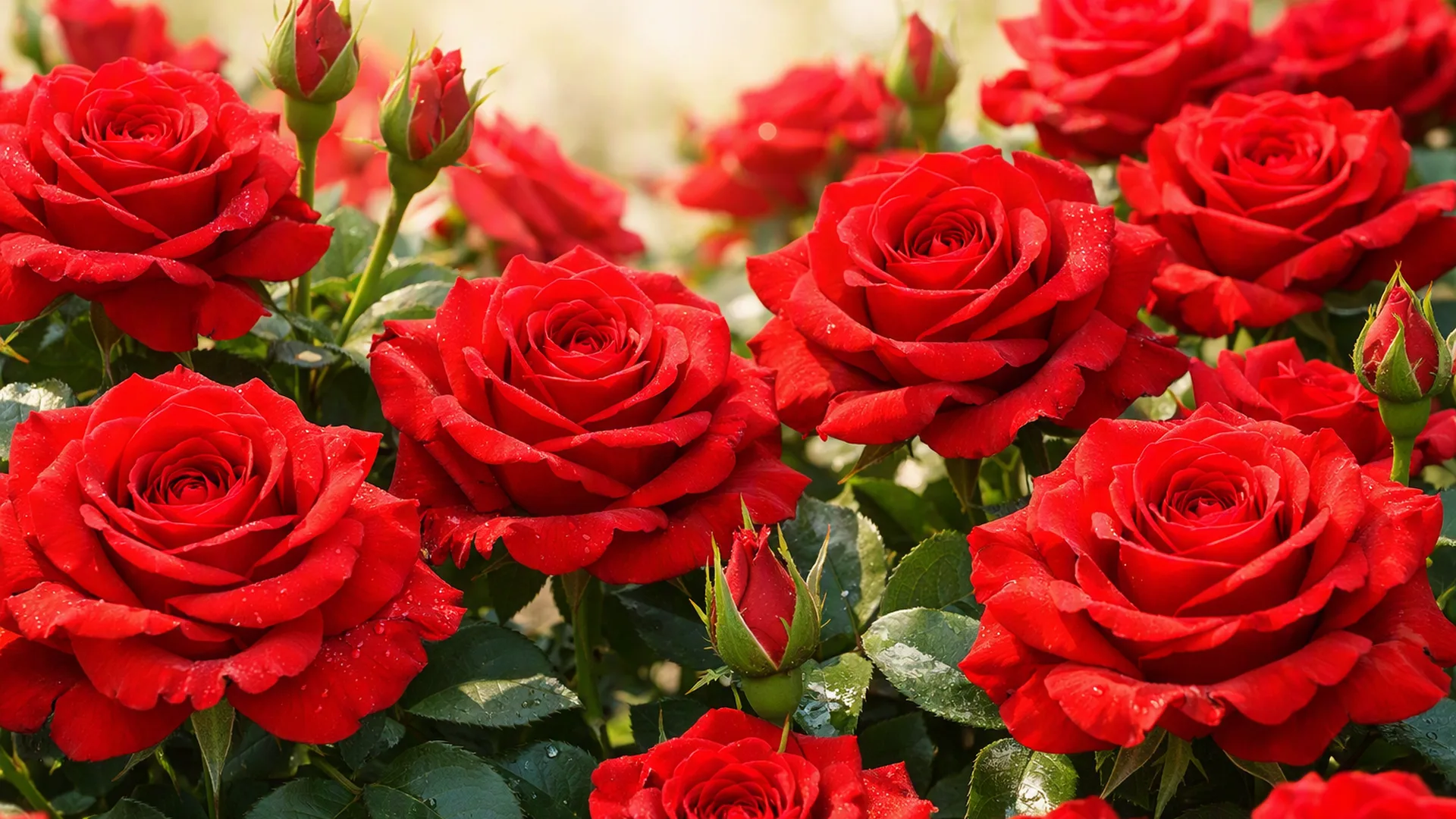
- Red: romance and desire. The standard for Valentine’s Day, anniversaries and proposals.
- Pink: thanks, admiration and fondness, without the weight of a romantic statement. A good pick for Mum on Mother’s Day.
- White: respect, new beginnings and remembrance. Common at weddings and at farewells.
- Yellow: friendship and cheerfulness, ideal for a get-well bunch.
- Orange and coral: energy and enthusiasm, good for a promotion or a graduation.
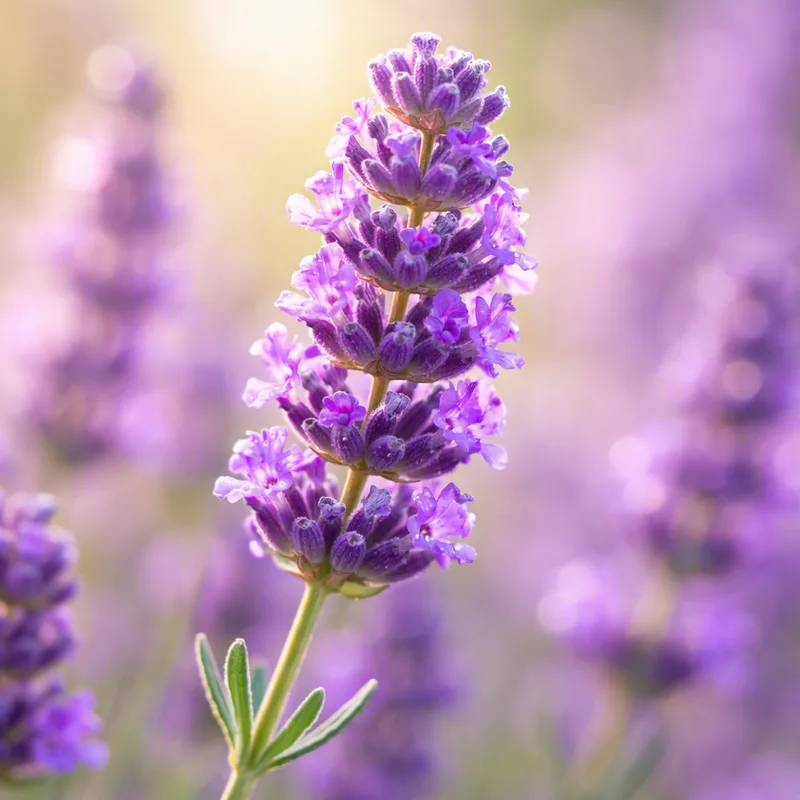
- Lavender: wonder and love at first sight, and a rarer find.
The rose families you will meet
Hundreds of wild species and many thousands of garden cultivars exist, but most roses in a bunch or a garden fall into a handful of groups.
- Hybrid tea: one large, high-centred bloom on a long stem, the florist’s classic.
- Floribunda and spray roses: clusters of smaller flowers on each stem, perfect for fuller bunches.
- English (David Austin) roses: deep, cupped and strongly scented, with a romantic old-fashioned look.
- Shrub roses: tough, repeat-flowering plants that need little fuss.
- Climbers: long canes that cover pergolas, fences and verandah posts.
- Miniatures: compact plants for pots and balconies.
The sharp points on a stem are botanically prickles, not thorns, because they grow from the surface of the stem and snap off cleanly.
Delivered to the door anywhere in Australia, with a handwritten message.
View the selectionKeeping roses fresh in the heat
Valentine’s Day falls in the middle of summer here, so roses face a tougher test than in a cool northern February. These habits help:
- Never leave a bunch in a parked car, even for a few minutes.
- Remove leaves that would sit in the water, and trim 2 to 3 cm off each stem at an angle.
- Fill the vase with clean, cool water and add the flower food if a sachet came with the bunch.
- Replace the water every day or two in hot weather and rinse the vase.
- Stand the roses in the coolest room available, away from sun, fruit and the air-conditioner outlet.
If the heads have started to bend, read why roses droop and how to revive them. Our care tips cover every other bouquet, and our flower language guide goes deeper on meanings. It is easy to order flowers online with roses for any of these occasions.
Rose vase life by colour
| Colour | Typical vase life |
|---|---|
| Red | about 5 days |
| Pink | about 10 days |
| White | up to 14 days |
Planting roses on the southern calendar
Bare-rooted roses go into the ground in winter, roughly June to August, and pruning is a late-winter job once the worst frosts have gone. Roses love sun and good airflow, and damp, still air invites black spot and mildew, so water at the base in the morning rather than over the leaves. In dry, Mediterranean-style climates such as Adelaide and Perth, deep watering through summer matters most. Be aware that sweet briar (Rosa rubiginosa), an old European hedge rose, has escaped into pastures in parts of southern Australia and is treated as a weed.
Looking for the right roses? See the bouquets we can send around Australia.
View rose bouquets →