


Orange lilies and what they are
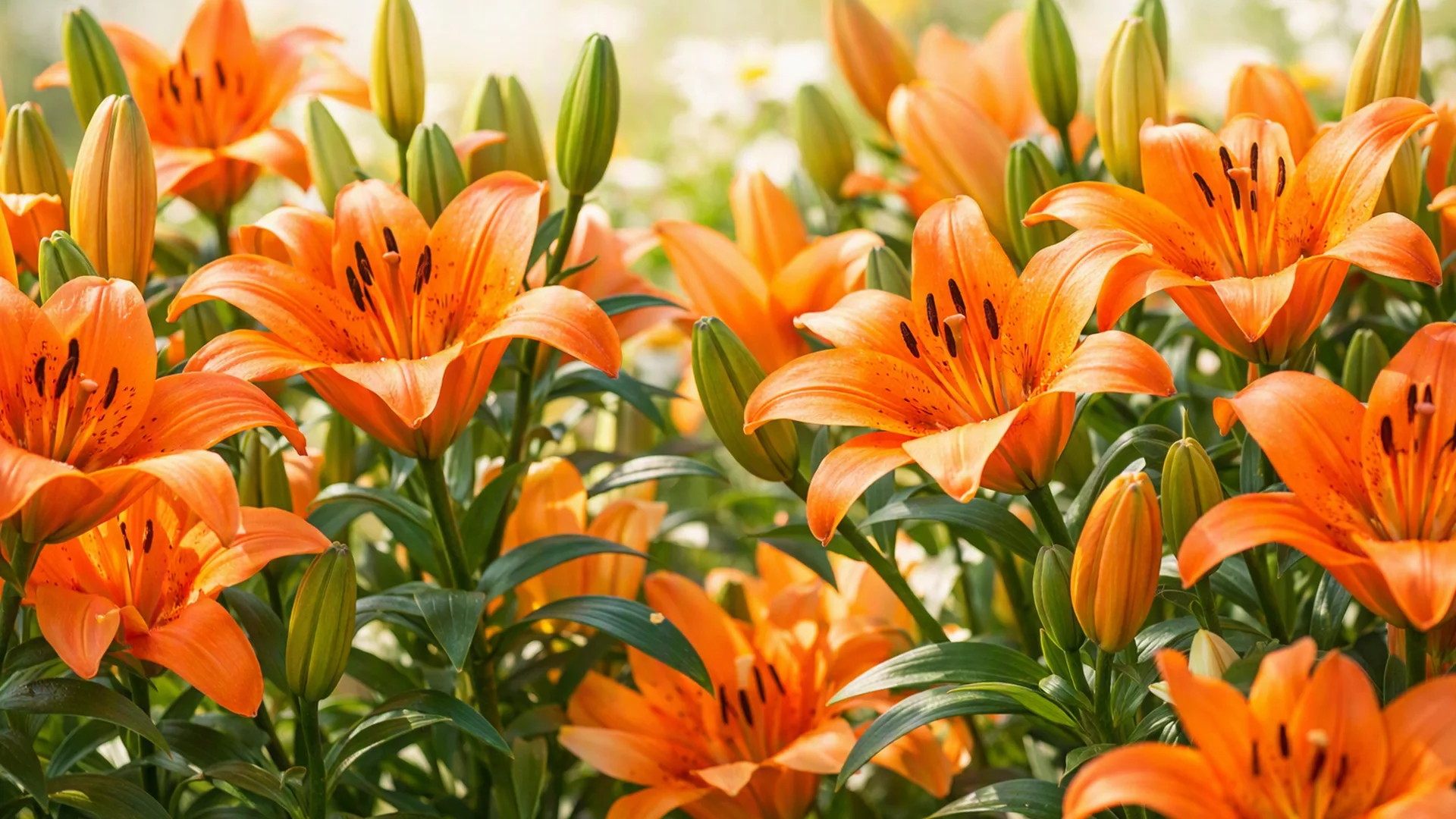
Lilium is a genus of about 100 bulbous species from the cooler parts of Asia, Europe and North America. The orange form most people picture is the tiger lily type, with spotted, curled-back petals, alongside the upright Asiatic hybrids in sunset shades of orange and apricot. Many of the garden hybrids are scentless, while Oriental types are heavily perfumed.
Growing them in the southern hemisphere
Bulbs go in during autumn or winter, roughly April to July, and the flowers arrive from late spring through summer. In Melbourne, Hobart, Canberra and the highlands they usually do well. In Sydney they are fine with shade on the roots, but in Brisbane and the tropical north the winters are often too mild for them to settle in, so treat them as short-lived there.
- Plant the bulbs about three times their own height deep, in loose, well-drained soil.
- Give the flowers sun but keep the roots cool with a layer of mulch.
- Water in dry spells, though never let the bulb sit in wet ground.
- Let the leaves die back naturally after flowering so the bulb can refill.
Pet safety around lilies
Lilium is on the ASPCA list as toxic to cats, and the reported sign it names is kidney failure. Dogs and horses are listed as non-toxic. Even a nibbled petal or licked pollen is worth treating as an emergency for a cat, so call a vet straight away. Lilies are best left out of a house with cats.
Keeping lilies fresh indoors
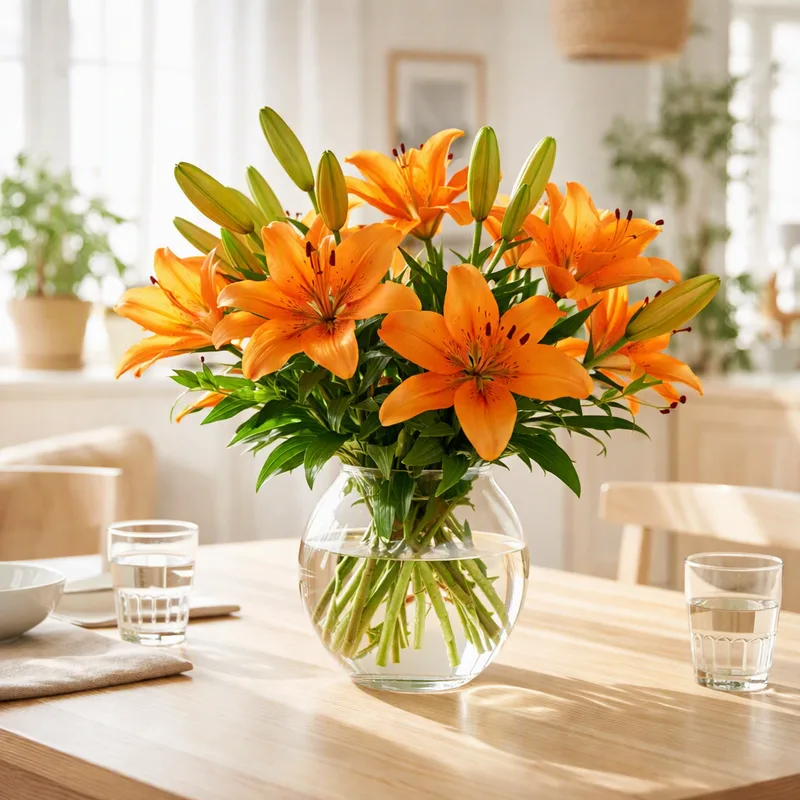
Cut lilies last about a week to ten days. Snip off the orange anthers as the buds open, since the pollen stains clothes and tablecloths. Daylilies are a different plant altogether, and calla or peace lilies are not true lilies either.