
A daisy that looks like a single bloom
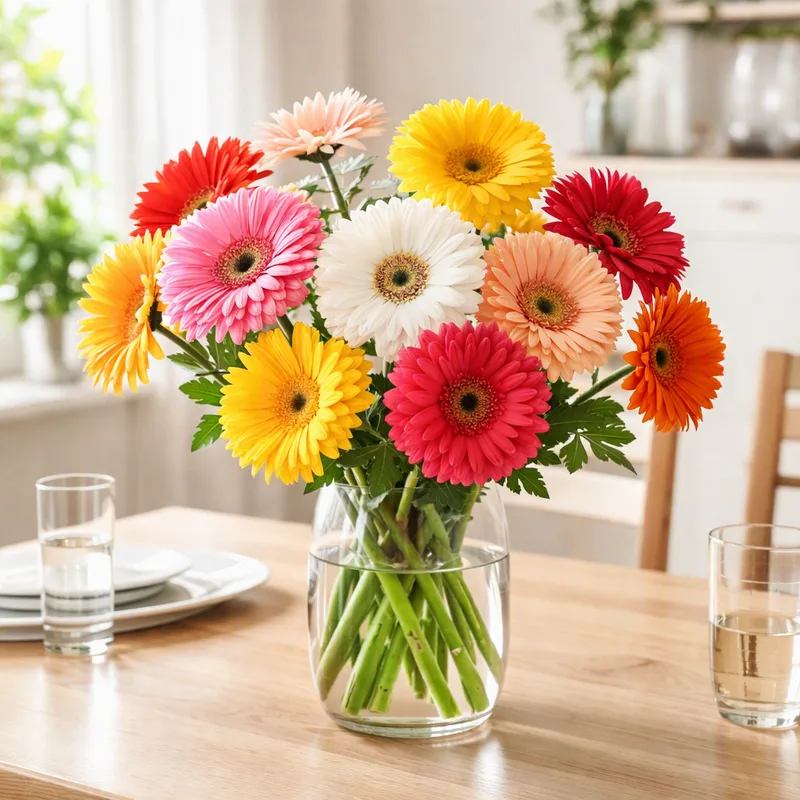
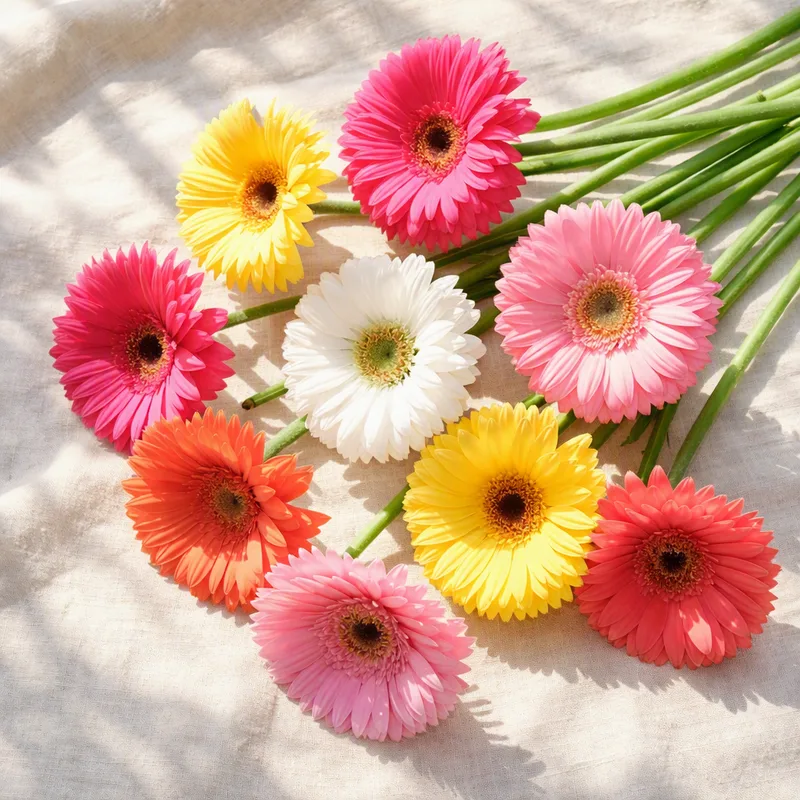
Every gerbera is a member of the daisy family, which explains the flat face. What looks like one big flower is a head made of many small ones: the long "petals" are ray florets and the dense middle is packed with tiny tubular florets. The garden and cut-flower types descend from Gerbera jamesonii, a plant of the eastern South African highlands, crossed with a second South African species. That wild parent is a bright orange-red, so the pinks, yellows, creams and bicolours seen now are the work of breeders.
Growing one in your own backyard
Gerberas are evergreen clumps that flower for a long stretch from spring (September to November) through summer and into autumn. They suit most of the mainland coast, because they like warmth and light but hate soggy ground. Plant them with the crown sitting just above the soil, in a spot with a good half day of sun and free-draining soil. Water at the base rather than over the leaves, since humid weather invites crown rot and powdery mildew. Light frost in Canberra, Ballarat or the Tablelands will cut the foliage back, so a pot that can be moved under cover is a sensible choice there. In the tropical north, give them afternoon shade in the wet season.
Stopping the droop
Cut gerbera stems often bend just under the head. The usual cause is bacteria in the water blocking the stem, plus a long, soft stalk that is not strong enough to hold a heavy head. Some florists wire the neck, but you can manage without:
- Use a very clean vase and keep the water shallow, only about 5 to 8 cm deep.
- Re-cut the end of the stem on an angle every couple of days.
- Keep the bunch away from fruit bowls, heaters and sun-baked windowsills.
What about the family dog?
According to the ASPCA, the gerbera daisy is non-toxic to dogs, cats and horses. A cat that chews a leaf may still be sick, because any plant matter can upset a stomach, so a vet is the right call if it does not settle.