

A flower made of hundreds
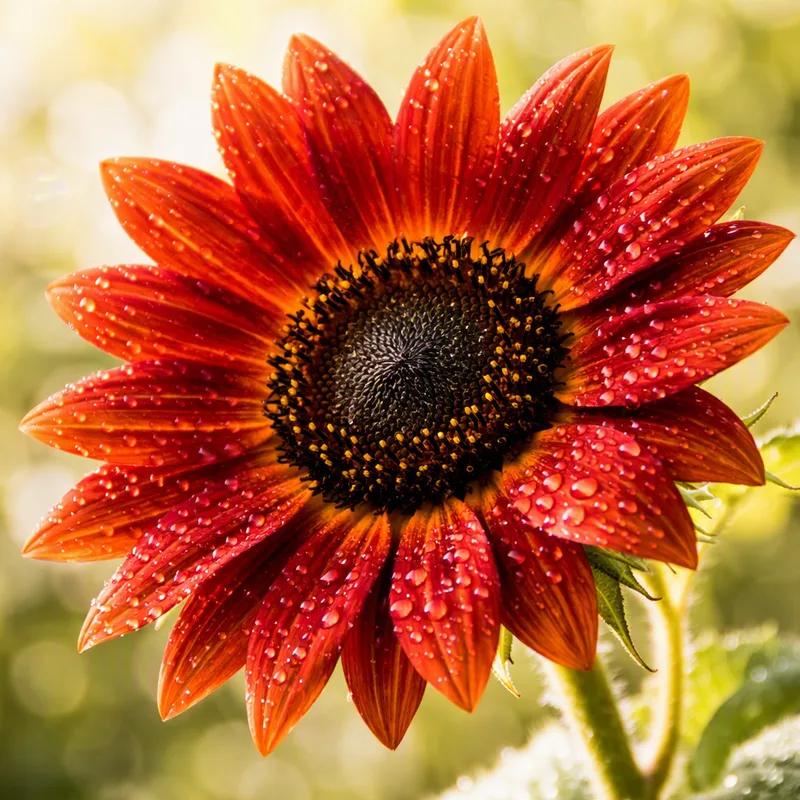
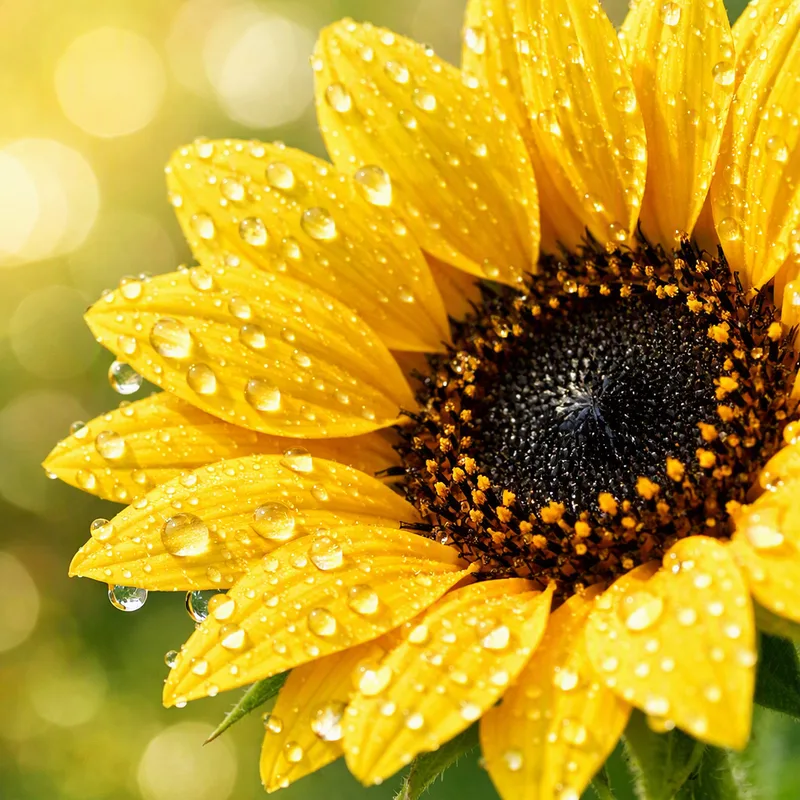
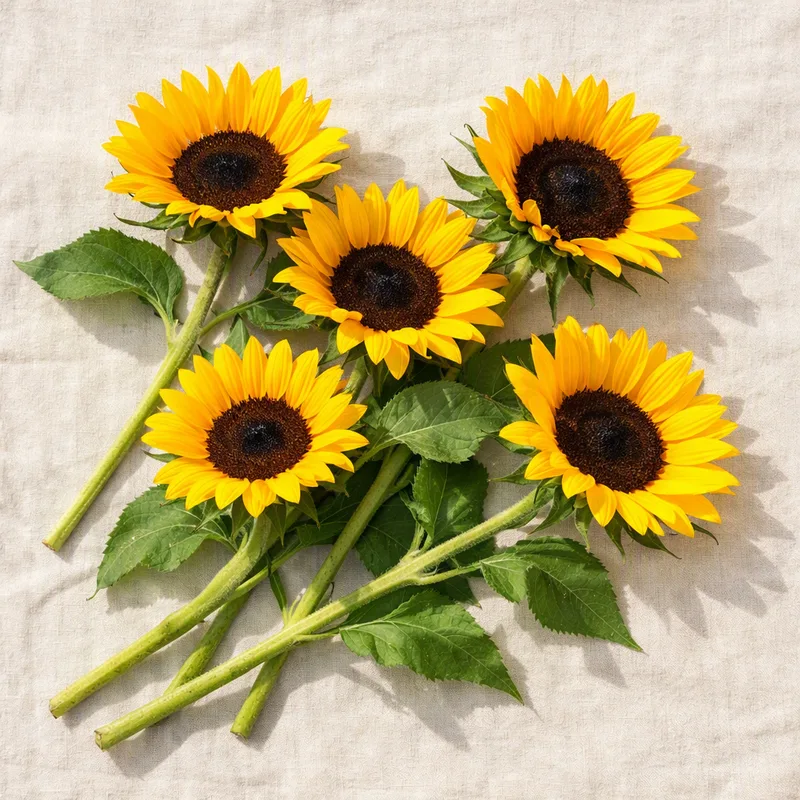
What looks like one giant bloom is a flower head packed with hundreds of tiny florets. The yellow outer rays are individual sterile flowers, while the brown disc in the middle holds the florets that become seeds. The common sunflower, Helianthus annuus, comes from North America and can reach three metres.
Do sunflowers follow the sun?
Only while young. Growing plants turn their heads east to west through the day and swing back overnight. Once the head opens and matures, it settles facing east, which warms it quickly in the morning.
Sowing and growing in Australia
- Sow seed from September to December, once frost has passed in cooler areas.
- In the subtropics and tropics, sowing is possible over a longer season.
- Plant seeds about 2 to 3 centimetres deep in full sun.
- Water deeply, especially while the head forms.
- Flowering follows about two to three months after sowing.
Short varieties suit pots, while giants need a stake.
Seeds and wildlife
Bees work the discs, and parrots and cockatoos may raid ripe seed heads. Cover heads with netting if you want to harvest.
Sunflower seeds have been a food for centuries. If you plan to harvest, let the head droop until the back turns brown, then cut it and dry it in an airy place out of the rain.
Sunflowers and animals
Sunflower appears on the ASPCA list of plants that are non-toxic to dogs, cats and horses.