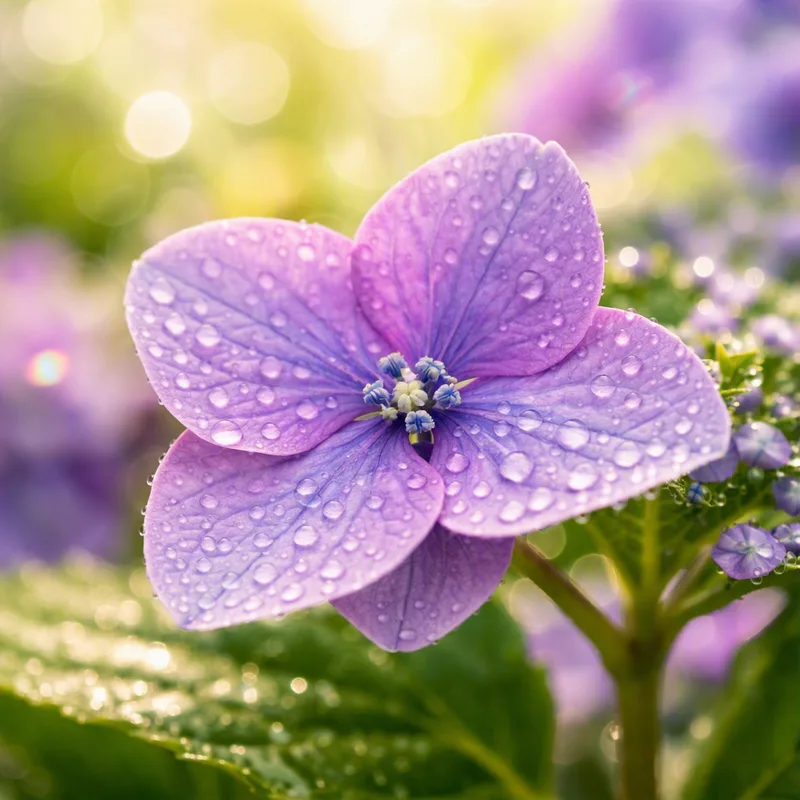

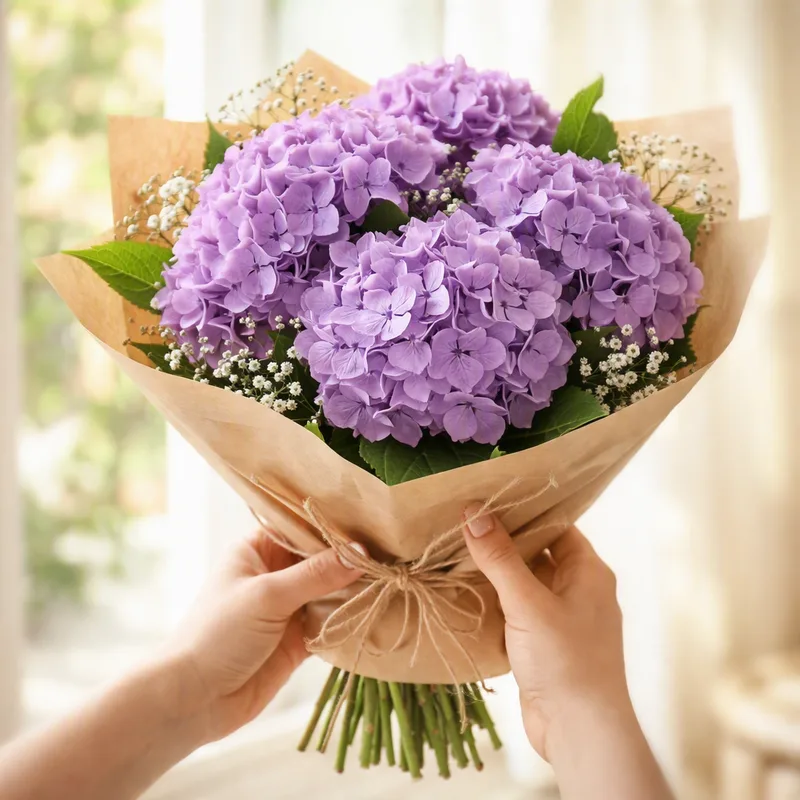

The mophead hydrangea (Hydrangea macrophylla) is a deciduous shrub from Japan, growing to about three metres tall. Yes, it drops its leaves: expect bare stems through winter and fresh growth in spring. Large heads of pink or blue flowers open in summer and carry on into autumn, which in Australia means roughly December to March.
Where it grows well
Hydrangeas like cool nights, rich soil and shelter from fierce afternoon sun. They are at home in Melbourne, Tasmania, the Blue Mountains, the Dandenongs and similar leafy places, and they cope in Sydney and Perth with shade and regular water. In hot inland areas, and on the tropical coast, they wilt quickly and are hard work. Water deeply, mulch well, and plant them where the morning sun is gentle.
What decides the colour
Soil chemistry rules the flower colour of mopheads. Acid soil (below about pH 5.5) usually gives blue, while neutral to alkaline soil gives pink or red. The change is linked to aluminium ions the roots can take up. White varieties ignore the soil entirely. Gardeners who want blue add sulphur or use an aluminium sulphate product, while those who prefer pink add garden lime or dolomite.
When to cut back
Most mopheads form next year's buds on old wood. Prune lightly after flowering, in late summer or autumn, removing spent heads and a few of the oldest stems. Heavy winter pruning means no flowers the next season.
Hydrangeas and pets
Hydrangea is on the ASPCA toxic list for dogs, cats and horses. The plant contains a cyanogenic glycoside, and eating buds or leaves can cause vomiting, diarrhoea and lethargy. Call your vet if an animal has had a good chew.