The language of flowers: what blooms and colours say
Long before text messages, a bunch of flowers could carry a whole sentence. The Victorians turned the habit into a full code in the 1800s, giving every bloom and colour its own meaning. Most of it is still in use. Here is what the common flowers say, and how to use that when you choose a bunch.
Where the idea comes from
The proper name is floriography. Writers link its roots to the Ottoman court, and in the 1700s and 1800s the fashion for assigning a meaning to each flower spread across Europe. Small posies, sometimes called tussie-mussies, were exchanged as coded notes, and printed dictionaries told the sender which bloom to pick.
You do not need a dictionary today. Nearly everyone reads red roses as love and white blooms as a gentle farewell. If you are planning to send flowers with a particular feeling in mind, it helps to know the details, so we have gone through the main flowers one by one.
Order flowers easily online – delivered Australia-wide.
Order flowers nowRoses
- Red: Romantic love and desire.
- Pink: Gratitude, admiration and gentle affection.
- White: Reverence and fresh starts. Also a common choice for sympathy and for weddings.
- Yellow: Friendship and cheer. Older books list jealousy, but nobody reads it that way now.
- Orange: Excitement and enthusiasm.
- Lavender: Enchantment and love at first sight.
Full rose guide: colours and care →
Send flowers quickly and safely throughout Australia.
View the selectionTulips
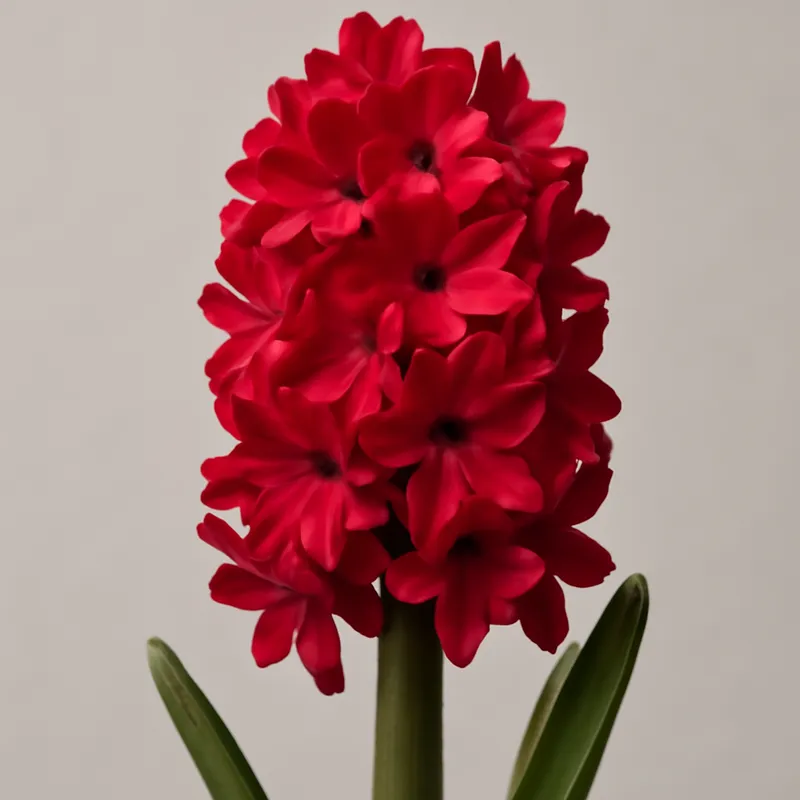
- Red: Declarations of love, a little less formal than roses.
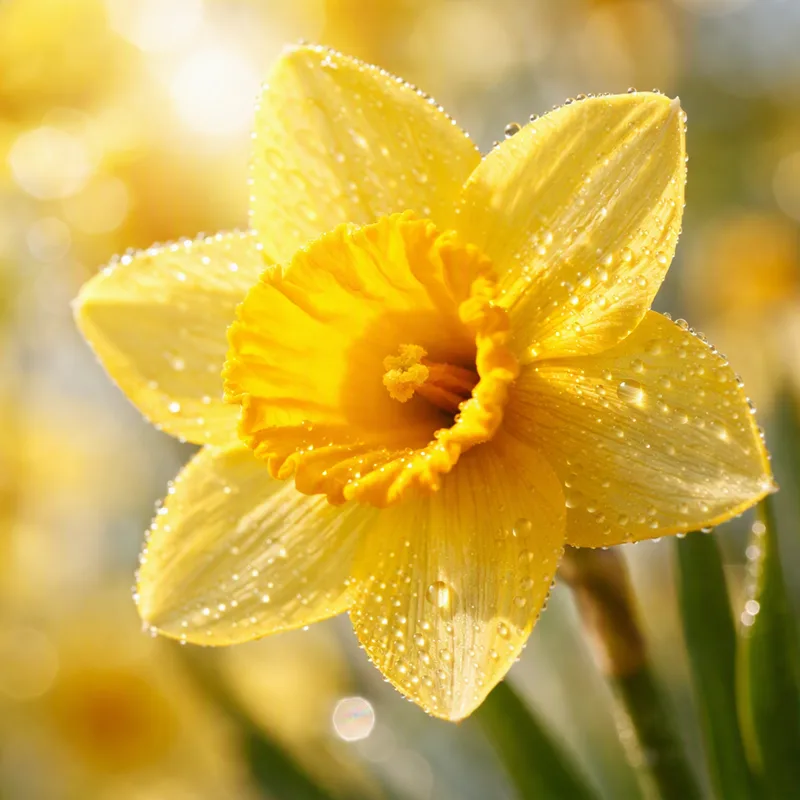
- Yellow: Cheerfulness and sunny thoughts.
- White: Apology and forgiveness.
- Purple: Dignity and admiration.
Want colour to carry your message? It is easy to order flowers online and pick the exact shade.
Lilies
- White: Purity and peace, seen at both weddings and funerals.
- Orange: Confidence and spirit.
- Pink: Admiration and grace.
- Yellow: Gratitude and happiness.
Important: true lilies and daylilies are dangerous to cats, and even a lick of pollen can cause kidney failure. If the recipient has a cat, choose another bloom.
Sunflowers
Big, bright and a bit cheeky, sunflowers stand for warmth, loyalty and good humour. Young plants turn their heads to follow the sun, which has made the flower a symbol of optimism. A bunch suits a thank-you, a congratulations or a get-well note.
Carnations and chrysanthemums
- Red carnation: Deep admiration.
- White carnation: Pure affection and good fortune.
- Pink carnation: A mother's love, which is why it turns up around Mother's Day.
- Yellow carnation: The Victorian code read it as disappointment, so think twice.
- Chrysanthemum: In Australia the second Sunday in May is chrysanthemum season, because the bloom is tied to Mother's Day. In some other countries it is linked with remembrance instead, so context matters.
Orchids
Orchids stand for refinement and rare beauty. A cut stem or a potted plant sends the message that someone is special, and it is a handsome gift for a boss, a host or a person marking a big achievement. Flowers online can be delivered right across Australia.
Peonies
Full, ruffled and scented, peonies suggest romance, good fortune and a happy home. They are popular in wedding bouquets and make a lovely welcome for a new home. You can read more in our peony guide.
Freesias
With their sweet scent and slim, arching stems, freesias are linked with trust and thoughtfulness. A small bunch is a quiet way of telling a friend you value them.
What colour says on its own
Sometimes the shade matters more than the species. If the choice of bloom is hard, let colour do the talking:
- Red: Romance and strong feeling.
- Pink: Thanks and tenderness.
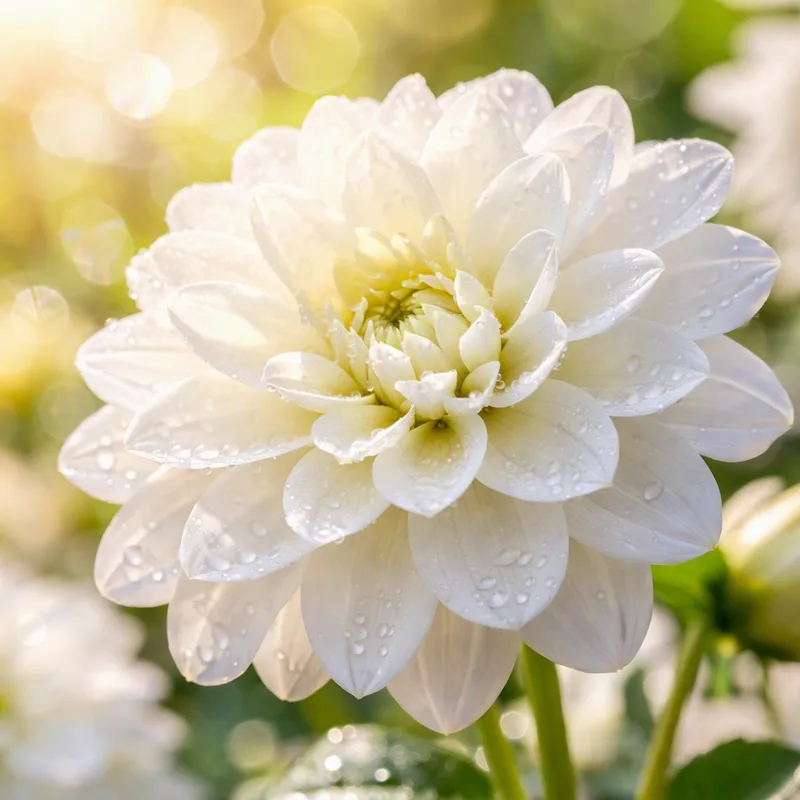
- White: Peace, respect and sympathy.
- Yellow: Friendship and optimism.
- Orange: Warmth and creativity.
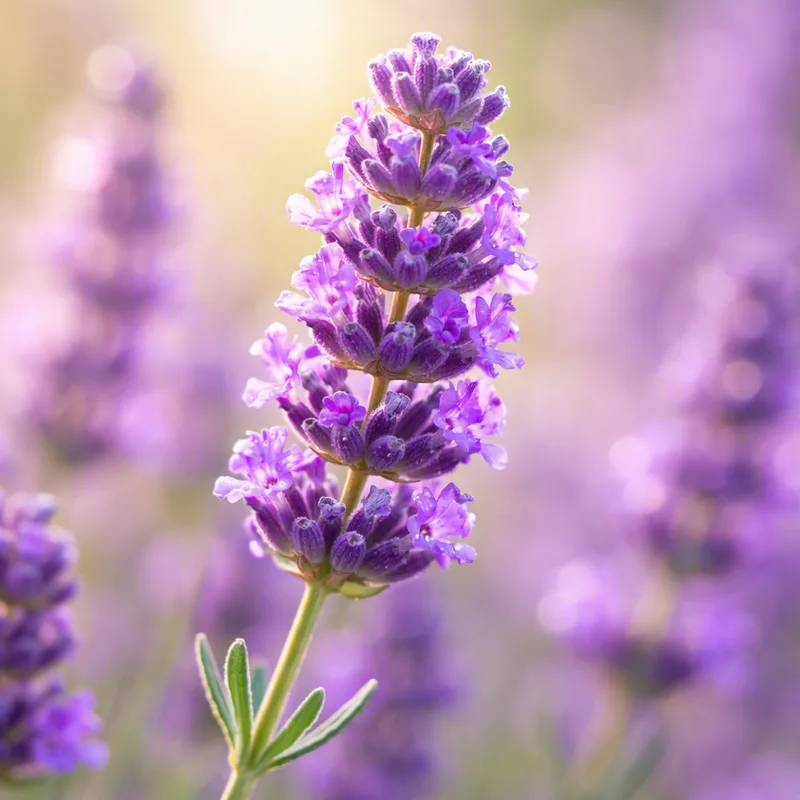
- Purple: Elegance and mystery.
- Blue: Calm and trust. True blue blooms are rare, and plenty on sale are dyed.
Armed with that, you can build a bunch that says exactly what you mean. Our guide to sending flowers covers the practical steps of ordering.