
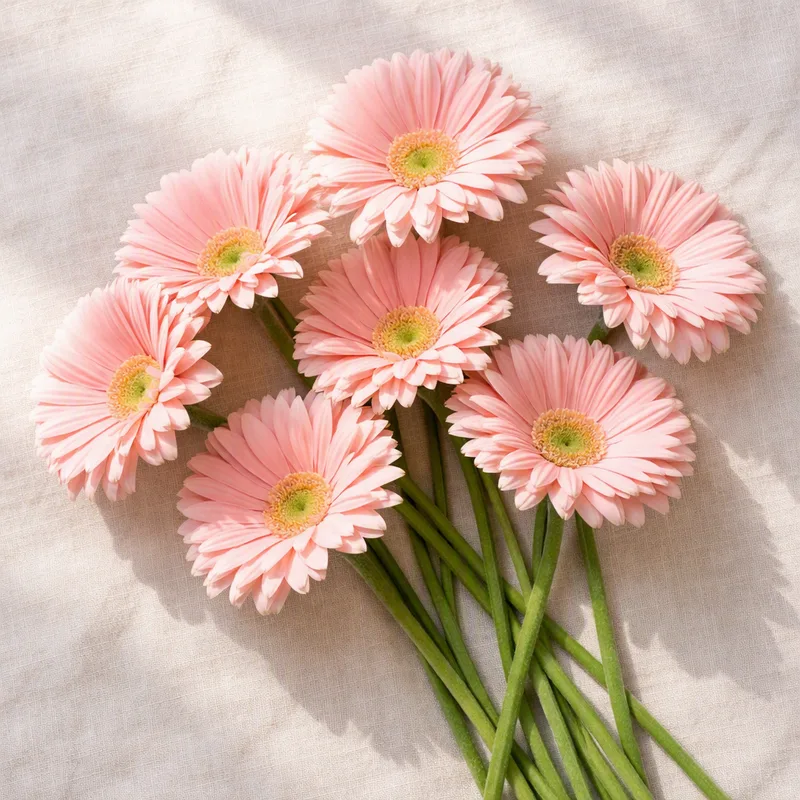
One name, many pinks
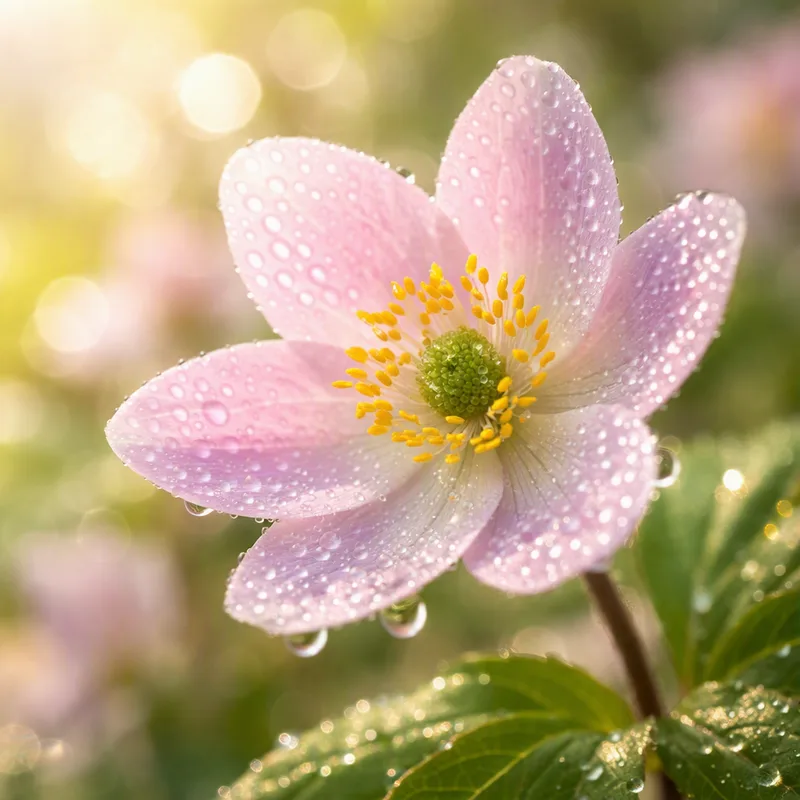
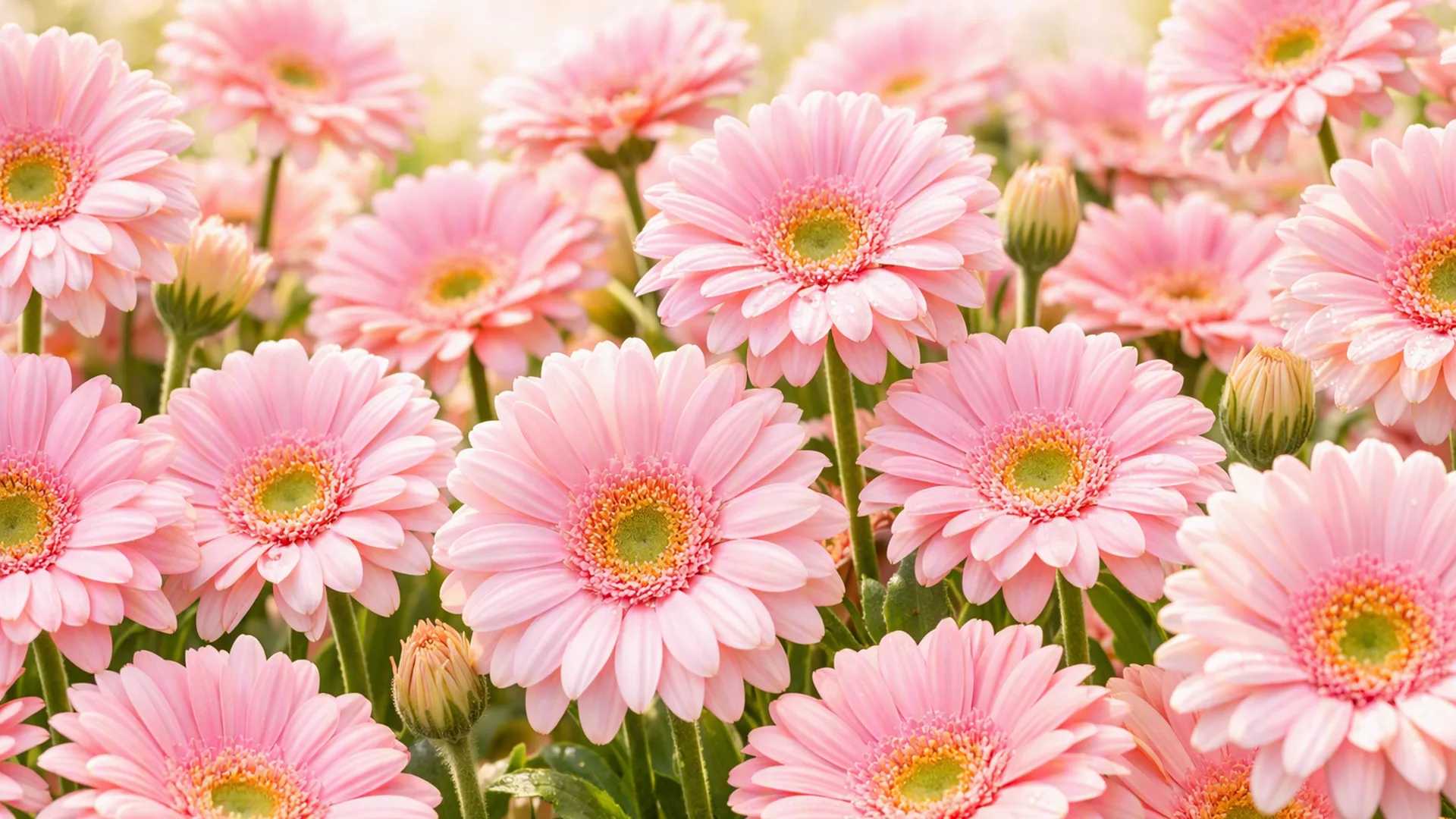
Wild gerberas are orange-red, so every pink one you see was developed by plant breeders. The range runs from the palest blush through candy and coral-pink to deep magenta-rose, and some varieties have a darker ring around a dark centre. Because pink is so common, it is also the easiest gerbera shade to find in mixed bunches. If a particular tone matters, look at it in natural light before you commit.
Pink occasions
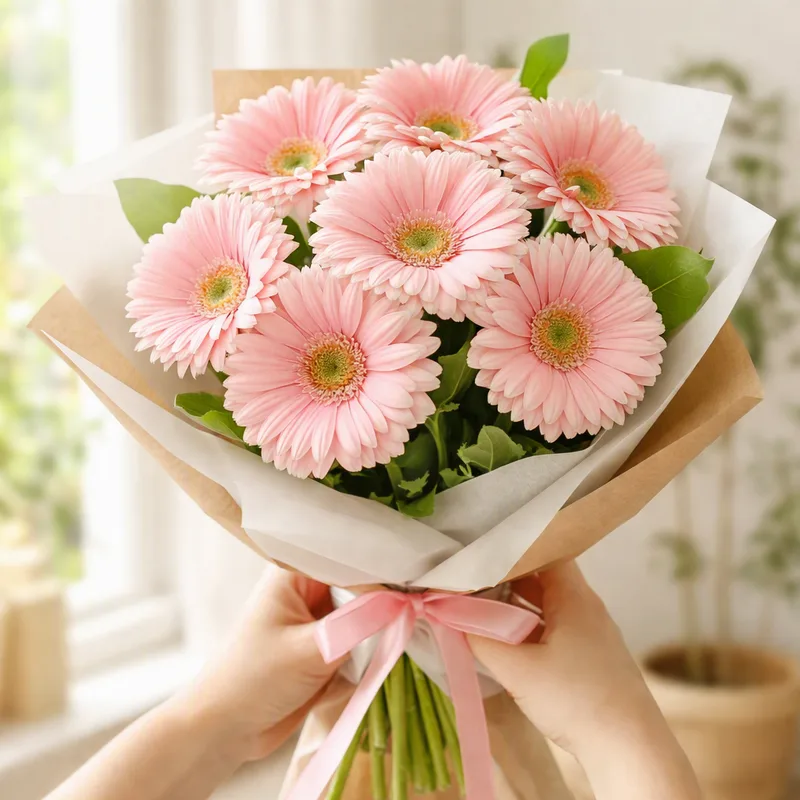
Pink is the friendliest colour in the gerbera range. Mother's Day falls on the second Sunday of May, and although chrysanthemums are the traditional flower for it in Australia, a bunch of pink gerberas is a cheerful way to say thanks. Pink also suits a new baby, a birthday, or a "get well" gesture, since the flowers look relaxed rather than formal. In the language of flowers a daisy stands for cheerfulness.
Vase routine
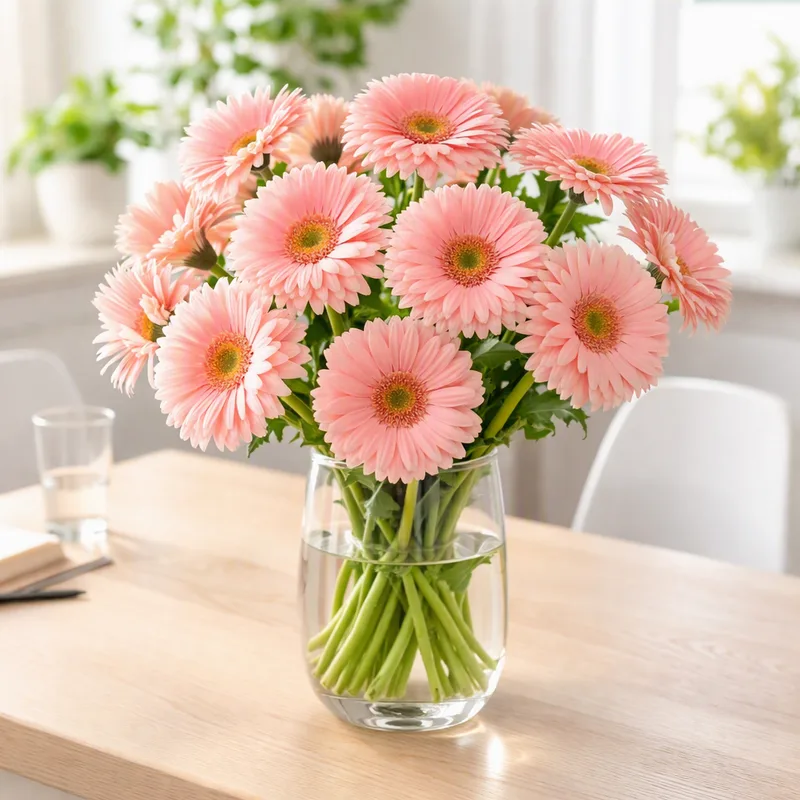
- Choose stems with a firm neck and a fully open face.
- Remove the lowest leaves and use a very clean vase.
- Keep the water at a shallow level and change it every day or two.
- Recut the stems on an angle and keep the display out of direct sun.
Gerberas often last somewhere between a week and ten days in a cool room.
Pink in a pot
As a living plant, a pink gerbera is a good container choice for a sunny verandah. It suits spring and autumn planting in warm regions and spring planting where frost occurs, and it does best with a free-draining mix and plenty of light. Feed with a flowering-plant fertiliser every few weeks. If leaves develop a white powdery coating, improve air movement and avoid watering the foliage.
Is it safe for cats and dogs?
Cats, dogs and horses are not at risk from gerbera daisies, according to the ASPCA's plant list.