

Frost-tender tubers on the southern side of the globe
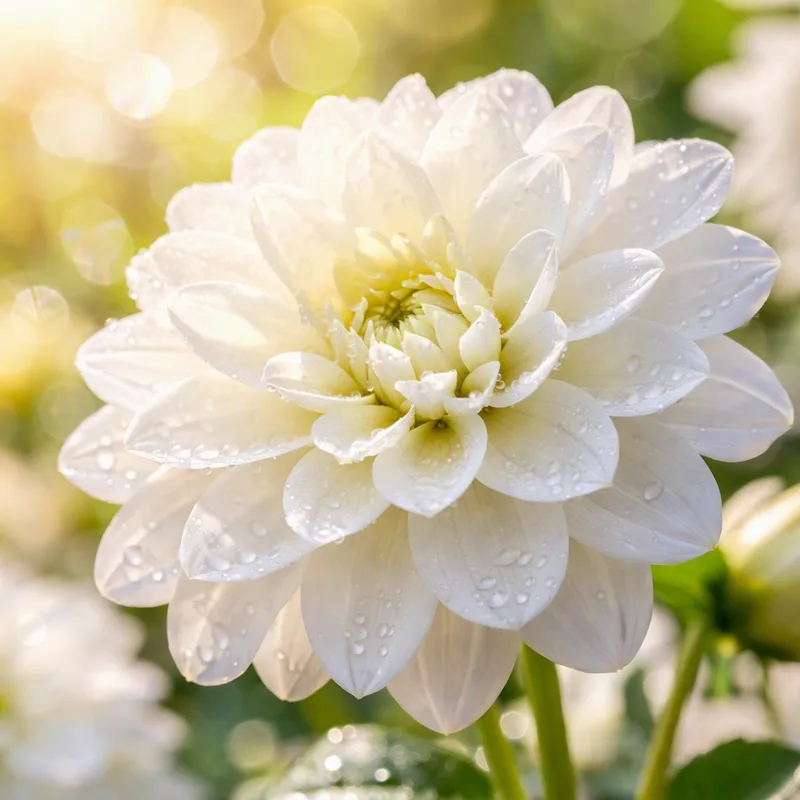
Dahlias are tuberous perennials from Mexico and Central America, and Mexico's national flower. There are 49 wild species, and the garden forms cover every shade bar blue. The genus was named in 1791 for the Swedish botanist Anders Dahl.
Because the tubers are not frost hardy, the calendar matters. In Melbourne, Canberra, Hobart and the highlands the usual plan is to plant in spring, once the last frost has gone, which means roughly October. Flowers then start around December and carry on through summer into March or April. In frost-free Sydney or Brisbane gardens the tubers often stay in the ground, though humid summers invite mildew.
Yellow, gold and the warm end of the range
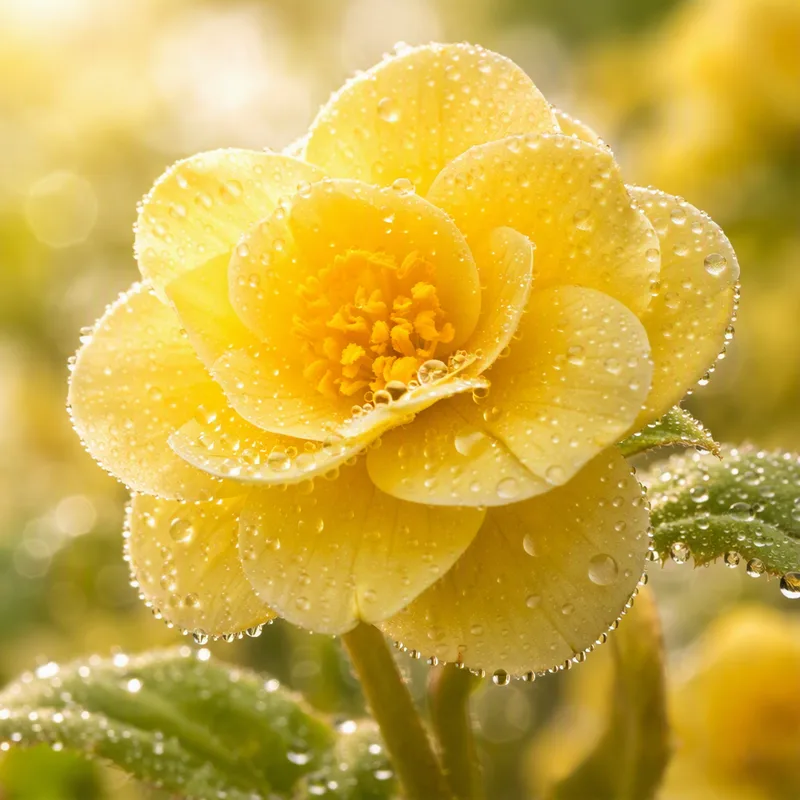
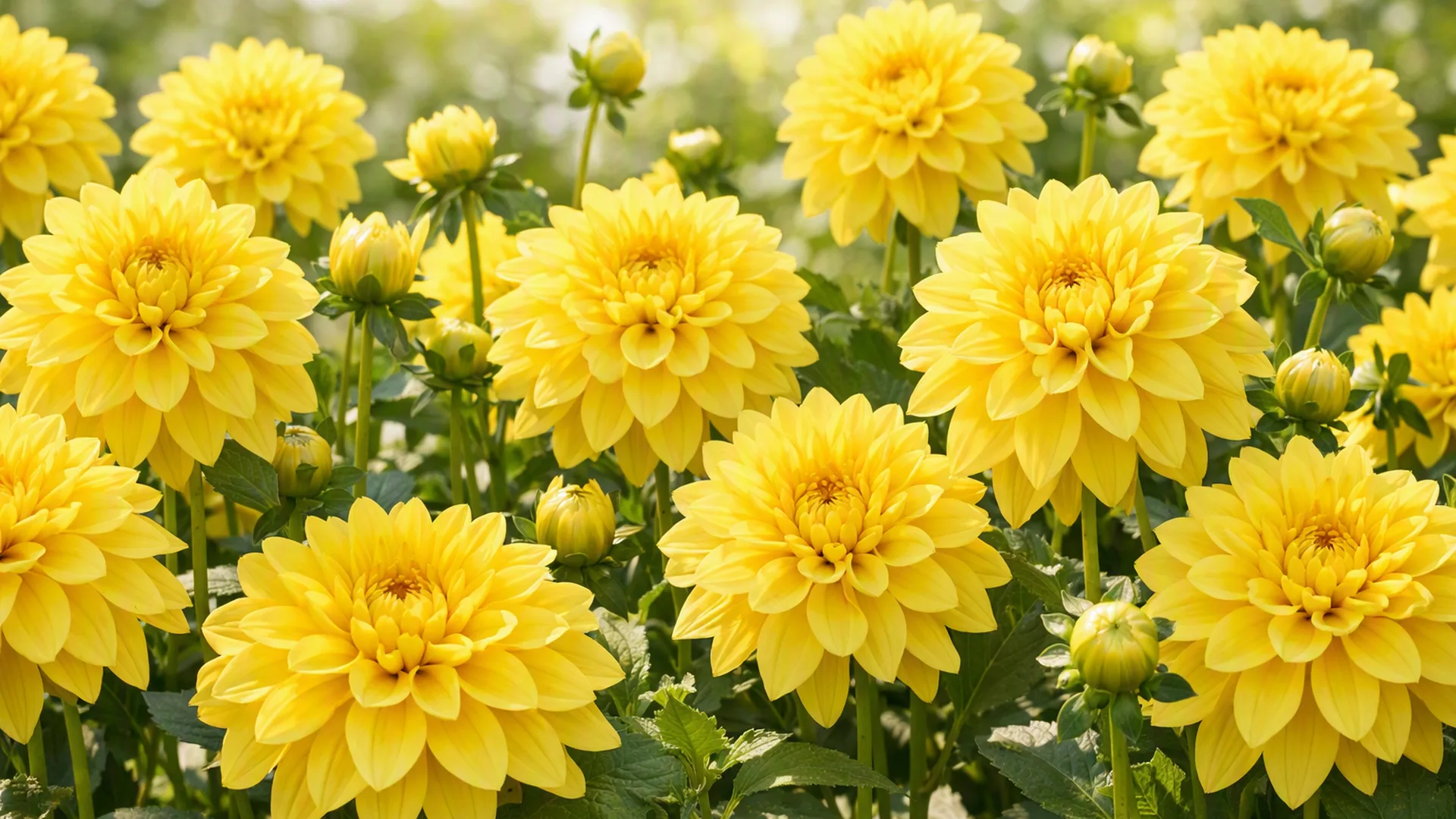
Yellow and apricot dahlias sit at the warm end of the palette and look strong beside purple salvias or deep blue plumbago. Pick a spot with six hours of direct sun and soil that drains well.
- Plant tubers about 10 cm deep with the eye facing up.
- Hold off watering until shoots show, then water deeply once or twice a week.
- Pinch out the growing tip when the plant is around 40 cm tall for more flowers.
- Stake tall types early, before the stems get heavy.
- Cut often. A dahlia keeps making buds while you remove blooms.
Cutting dahlias for the house
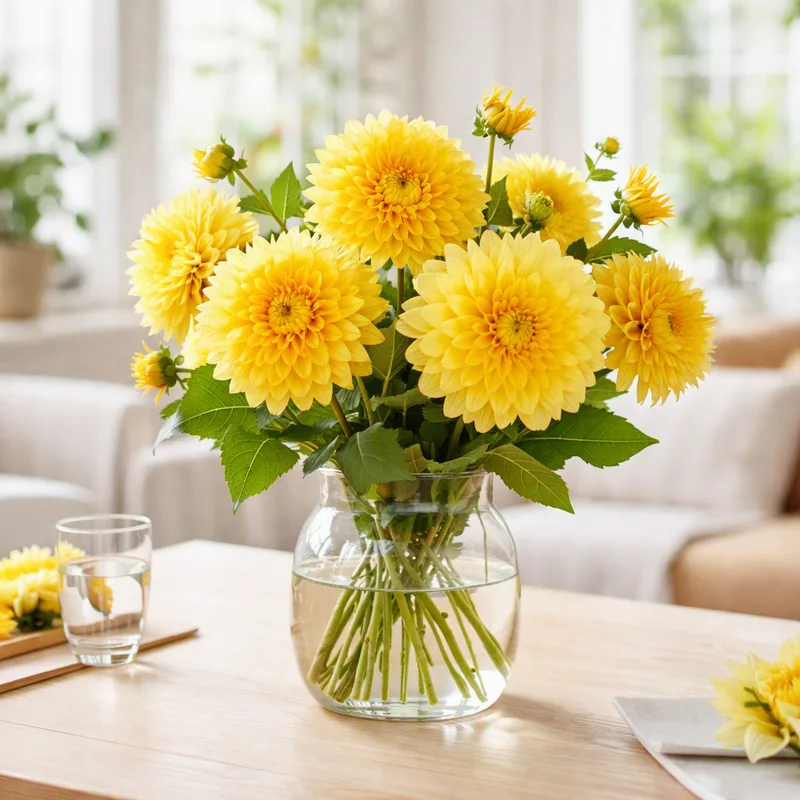
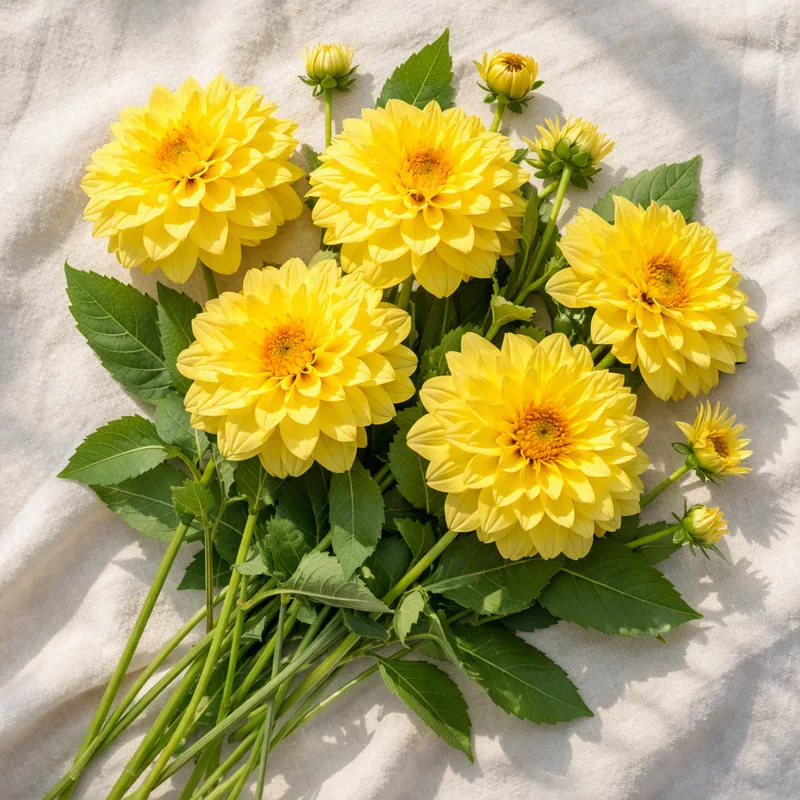
Dahlia buds do not open after cutting, so choose flowers that are already fully open. Cut in the cool of the morning, strip the leaves below the water line and expect about five to eight days in the vase.
Chewing risks around the bed
Dogs, cats and horses can all be affected if they chew dahlia tubers or foliage, according to the ASPCA, which records mild stomach upset and mild skin irritation. Keep pets out of the bed while plants are young, and ring a vet if a pet seems unwell.