Lilies: meaning, types and care
Big trumpets, bold perfume and a long history: lilies (Lilium) make an entrance in any room. They are also one of the few popular bunch flowers that can seriously harm a pet, so this guide covers the pretty side and the warning side.


Order flowers easily online – delivered Australia-wide.
Order flowers nowA flower with a long past
Lilies have been grown in gardens for centuries. The Madonna lily (Lilium candidum) comes from the eastern Mediterranean and became a Christian symbol of purity, which is why white lilies appear so often in church art. The French royal emblem, the fleur-de-lis, is a stylised flower often linked to the lily or iris, and it still turns up in heraldry.
What the colours mean
- White: Purity and calm, seen at weddings and at funerals.
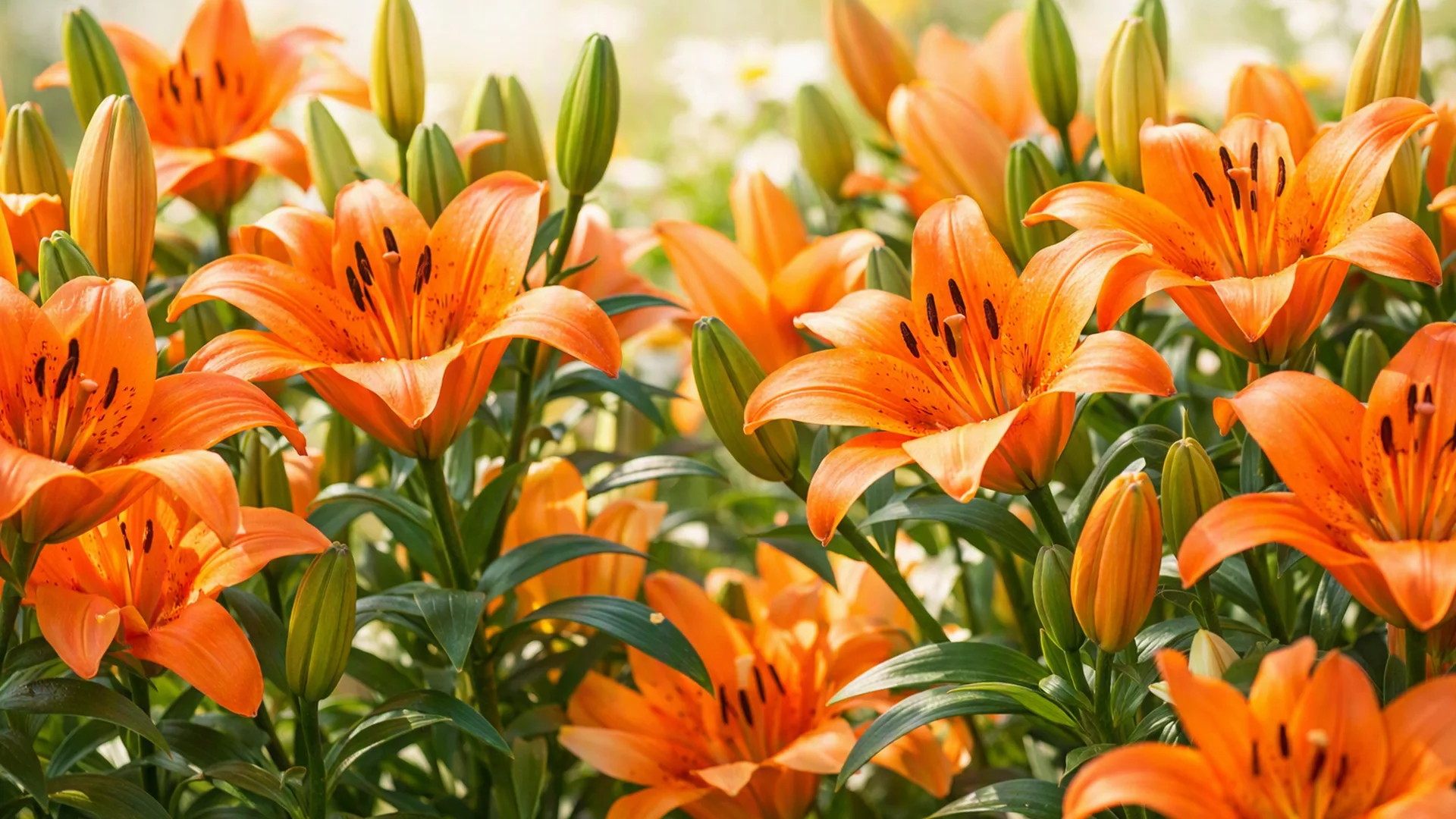
- Orange: Confidence and pride.
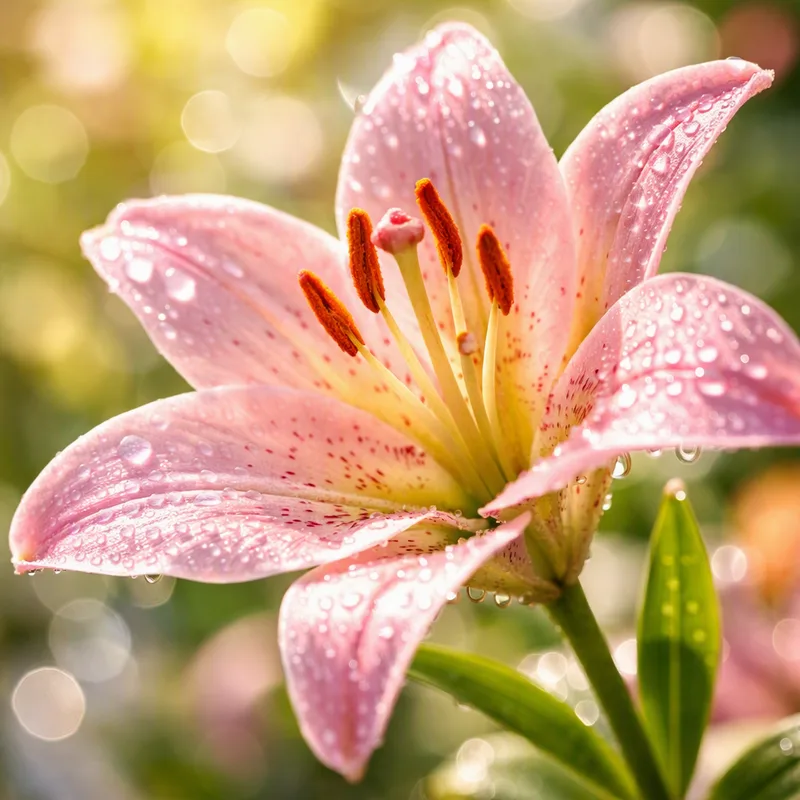
- Pink: Admiration and grace.
- Yellow: Gratitude and good cheer.
- Red: Passion and strong feeling.
Want to send flowers with lilies in them? Check the household first, because of the cat risk described below.
Send flowers quickly and safely throughout Australia.
View the selectionTypes you will see at the florist
- Oriental lilies: Large and heavily perfumed, with the pink 'Stargazer' and the white 'Casa Blanca' as the best known.
- Asiatic lilies: Upright, bright and mostly scentless. They flower earlier than Orientals and come in sunset shades.
- LA hybrids: A cross between Easter and Asiatic lilies, with big flowers and sturdy stems.
- Tiger lilies (Lilium lancifolium): Orange, spotted and curled back, the classic cottage-garden look.
Making a bunch last
- Pick stems with a few unopened buds, so the display unfolds over several days.
- Trim the ends on an angle and strip leaves that would sit under water.
- Pinch off the orange anthers as each flower opens, as the pollen stains clothes and tablecloths.
- Use clean water, top it up and change it every couple of days, and keep the vase out of hot sun, which matters in an Australian summer.
Quick facts – lilies
| Property | Information |
|---|---|
| Cut lilies in a vase | About a week to ten days |
| Bulb planting (southern gardens) | Autumn to winter, roughly April to July |
| Garden flowering | Late spring through summer |
| Cats | Toxic (ASPCA) |
It is easy to order flowers with lilies for delivery across Australia. Our care advice has more ways to keep a bunch fresh.
Looking for something graceful to send? See what is on offer across Australia.
See lily bouquets you can send →Buying flowers online is quick. To pick a colour with meaning, see our guide to flower language.