
A big genus
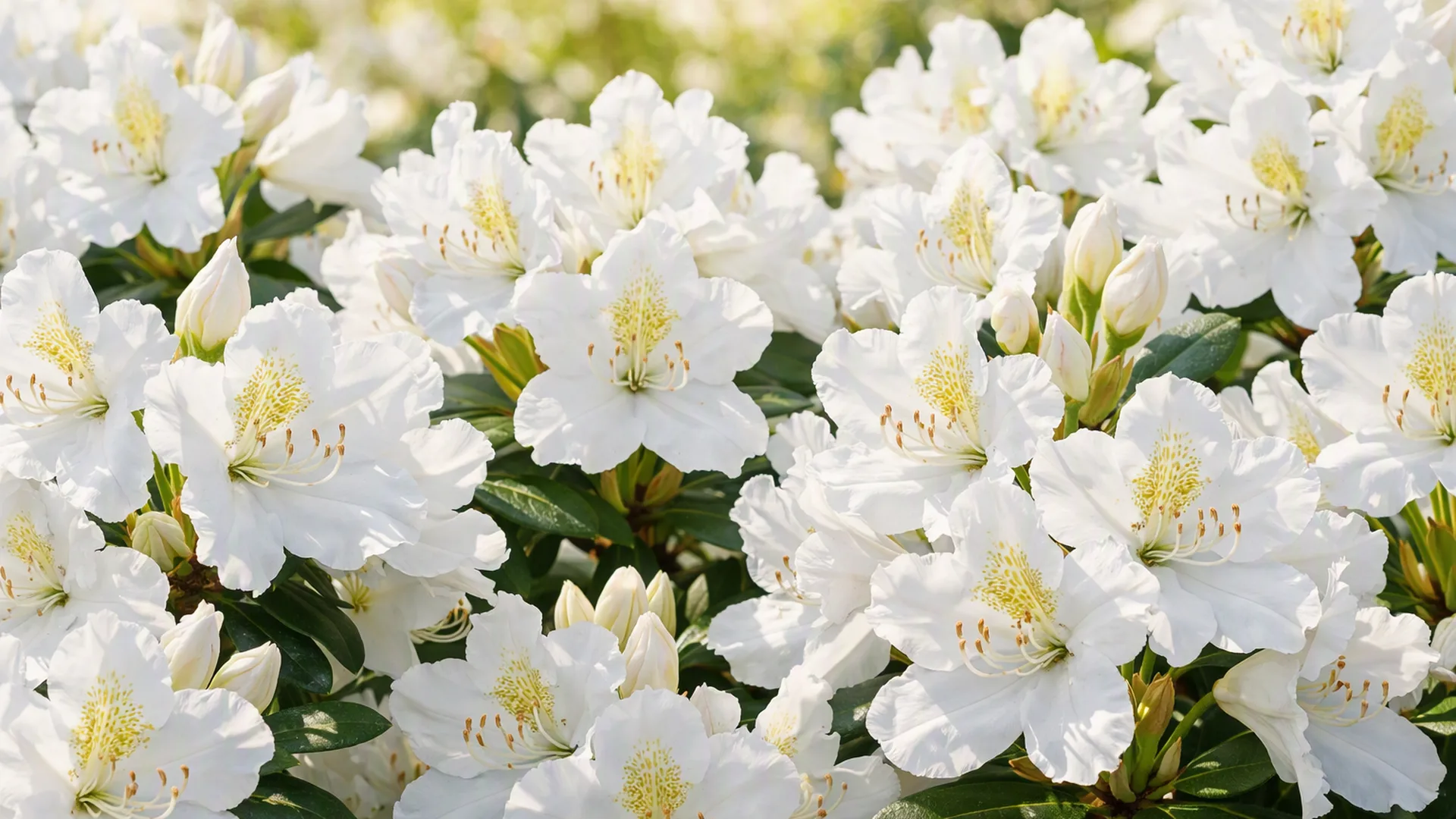
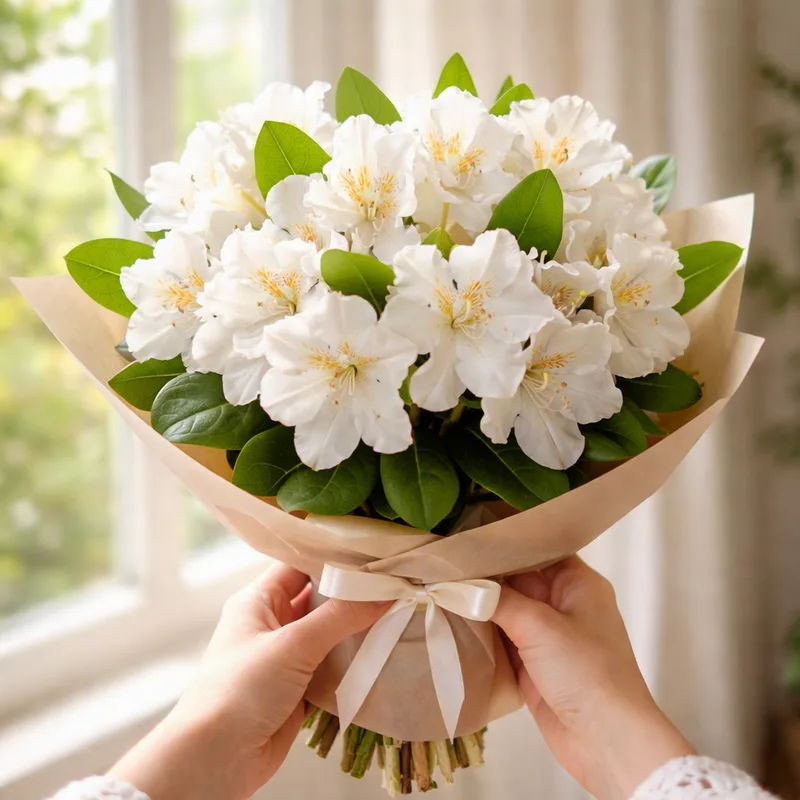
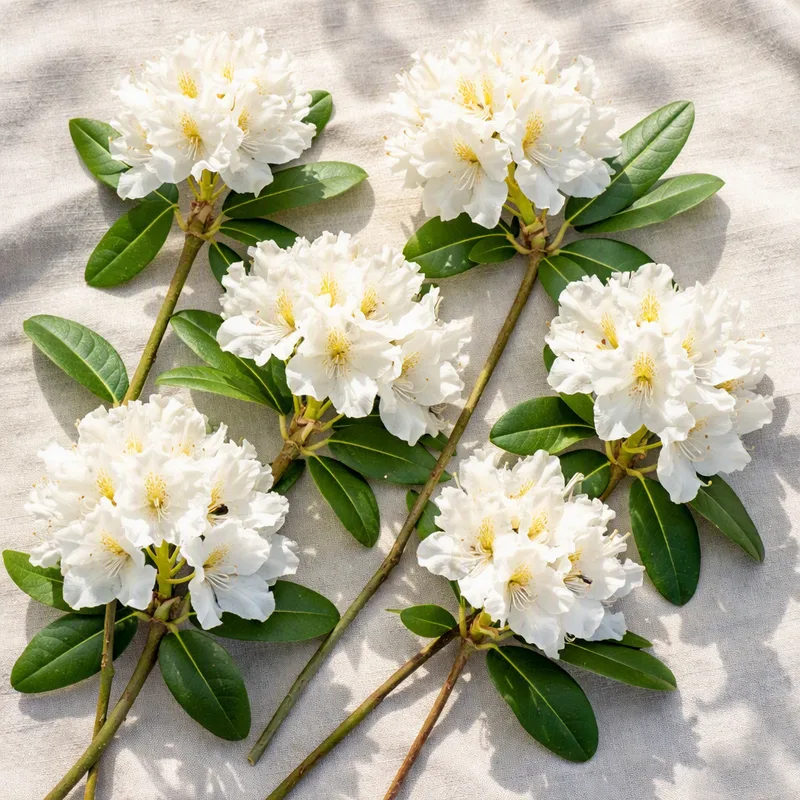
Rhododendron includes about a thousand species, ranging from tiny alpine shrubs to forest trees. Azaleas are part of the same genus. In gardens the large-leaved evergreen types are what people picture, with round clusters of bell-shaped flowers. The classic white form has a faint yellow or green flare on the upper petal.
An Australian twist
One species is native to Australia. Rhododendron lochiae grows in the rainforest of the Wet Tropics in Queensland, around Mount Bartle Frere and the Bellenden Ker range, and it has red flowers. The garden hybrids are a different story, as they come from the cooler hills of Asia and Europe.
Where they grow well
In the southern hemisphere the flowering season is spring, from about September to November. They love the Dandenong Ranges, the Blue Mountains, the Southern Highlands, Tasmania and other cool, wet places. In Perth, Adelaide and Brisbane they are harder, and in the tropical lowlands they are unlikely to survive.
- Use acidic, humus-rich soil that drains freely.
- Give dappled shade and shelter from hot, dry winds.
- Mulch thickly, since the roots are shallow.
- Water deeply in summer and avoid lime or alkaline water.
Pet safety around rhododendrons
Dogs, cats and horses are all on the ASPCA list for this genus. The toxin is grayanotoxin, and signs range from vomiting and drooling to weakness, coma and cardiovascular collapse. Ingestion of a few leaves can cause serious problems, so call a vet quickly.
Keeping rhododendrons fresh indoors
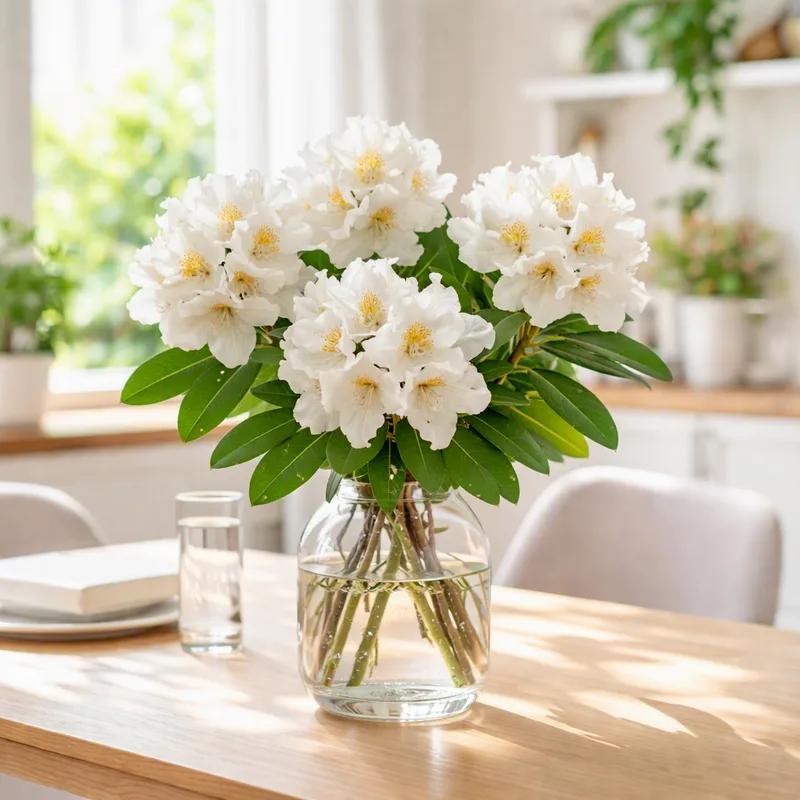
Rhododendron flowers fade quickly in a vase. They are best enjoyed on the plant.