

Colour in the cool months
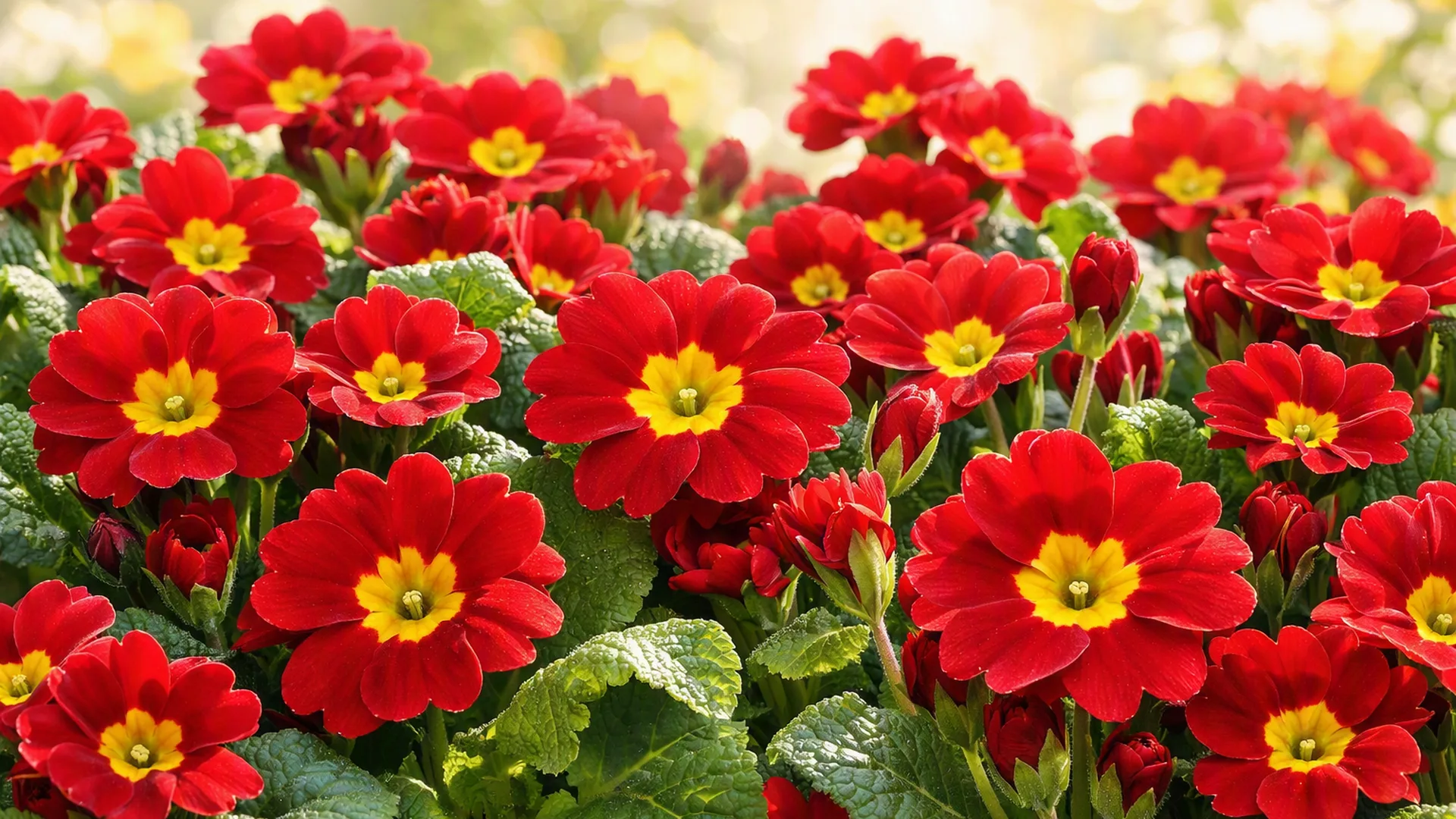
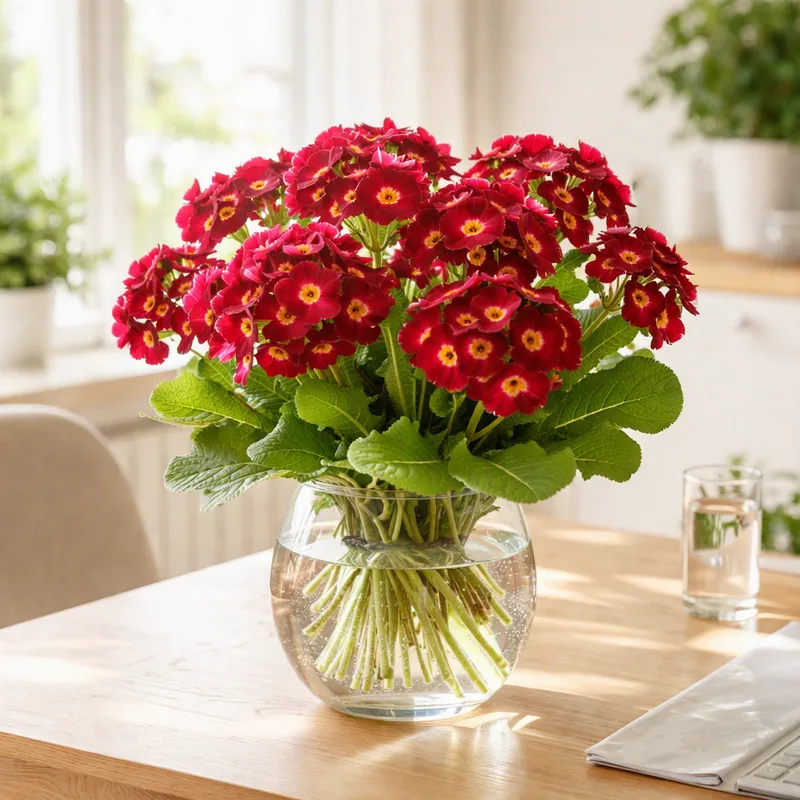
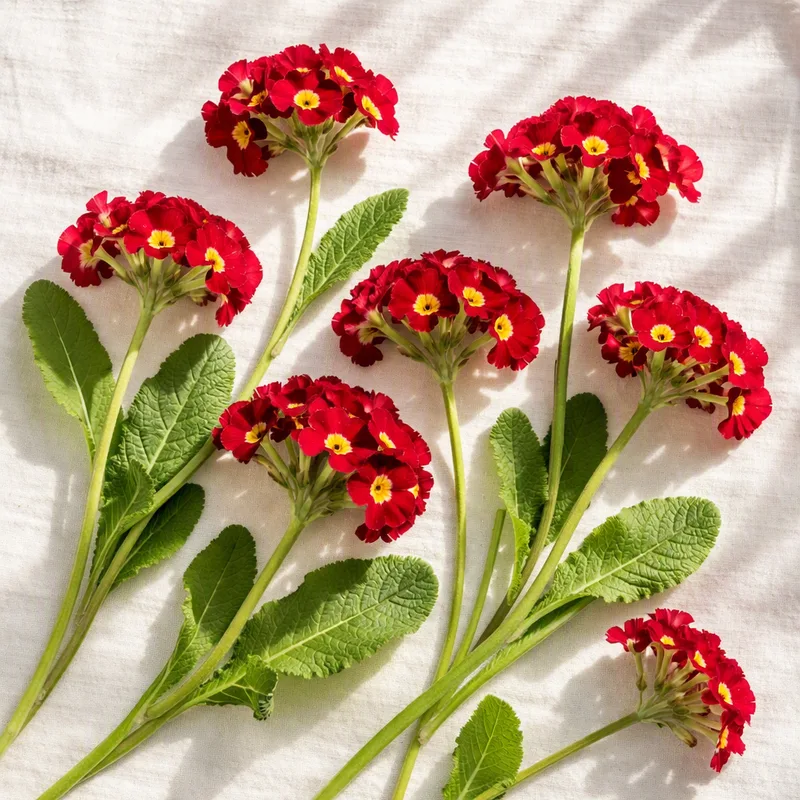
Red primulas are bright winter and spring plants, bred from the common primrose and its relatives. They are sold in pots when the garden is at its quietest, which in Australia means roughly July to October. The flowers are small but carry a vivid red with a yellow eye, and a dozen in a trough make a strong show.
Where they cope
Primulas do not enjoy heat. In Melbourne, Hobart, Canberra and highland towns, they can stay on after flowering if planted in part shade with moist soil. In Brisbane, Perth and most of coastal NSW, they are better thought of as winter bedding, planted in autumn and replaced by summer annuals. In the tropical north they are not a practical choice.
Looking after red flowers
- Choose bright light without scorching sun.
- Keep the root zone cool and evenly moist.
- Remove spent flowers to encourage more buds.
- Watch for slugs, snails and aphids, which like soft young leaves.
Red pigments can look dark on dull days, so lighter foliage nearby helps the colour stand out.
Safety notes
Some primulas, particularly Primula obconica, release primin from leaf hairs and can cause an itchy rash for those who are sensitive. The ASPCA lists the common primrose as toxic to dogs, cats and horses, and mild vomiting is the recorded sign. Contact your vet for advice if an animal has chewed the plant.
In the wild, red forms of the primrose are more likely to be garden escapes, because the natural flowers are pale yellow, with occasional white or pink forms.