
Cool-season colour
The name Primula comes from the Latin for first, because many species flower early in the year. In Australia that early colour arrives in late winter and spring, between about July and October, and potted primulas sold in those months are a favourite for cool shady corners. They are best suited to Melbourne, Hobart, Canberra and the highlands, and are usually treated as winter bedding in Sydney, Perth and Brisbane, planted in autumn and removed when summer heat arrives.
The yellow primrose
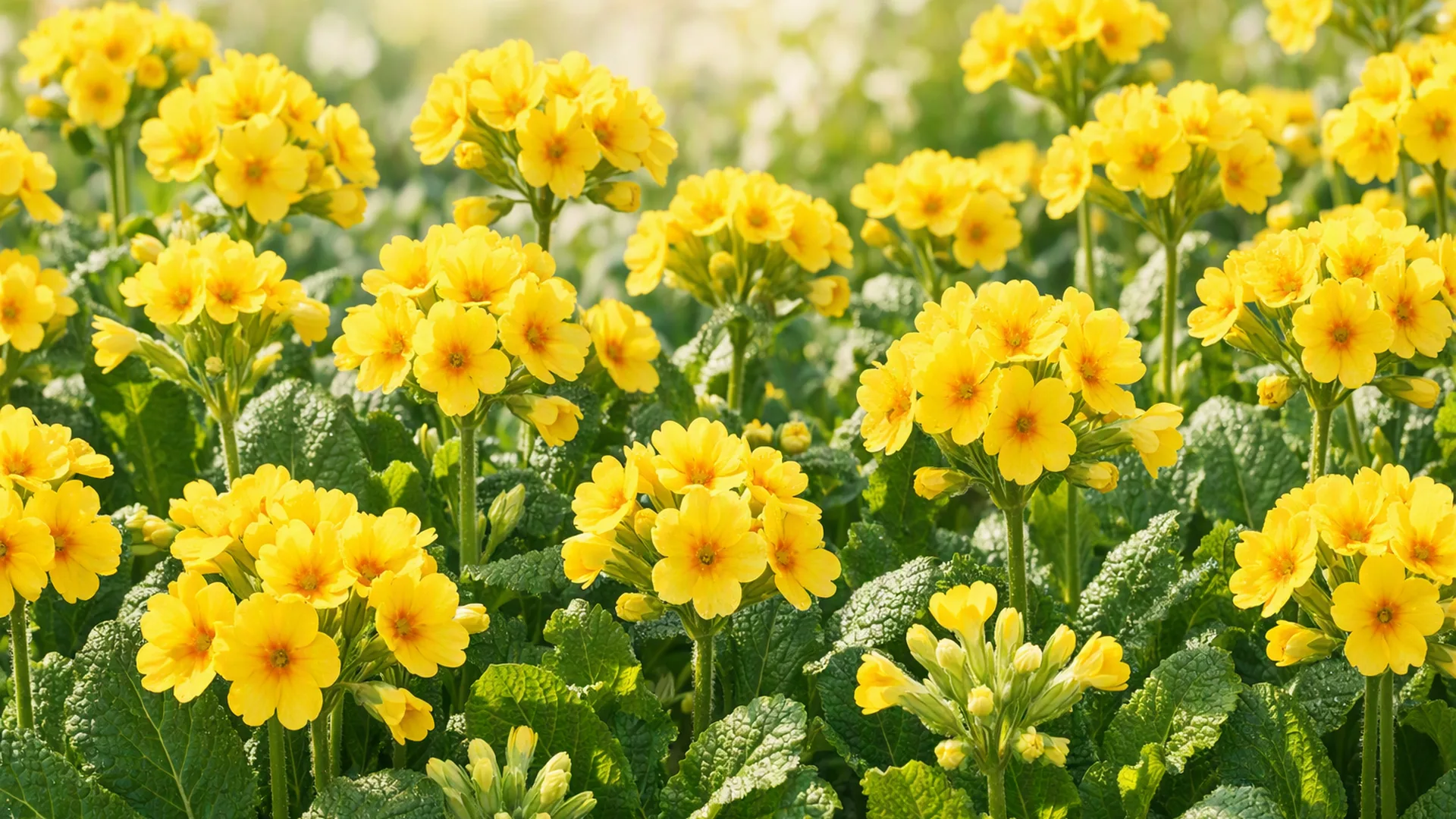
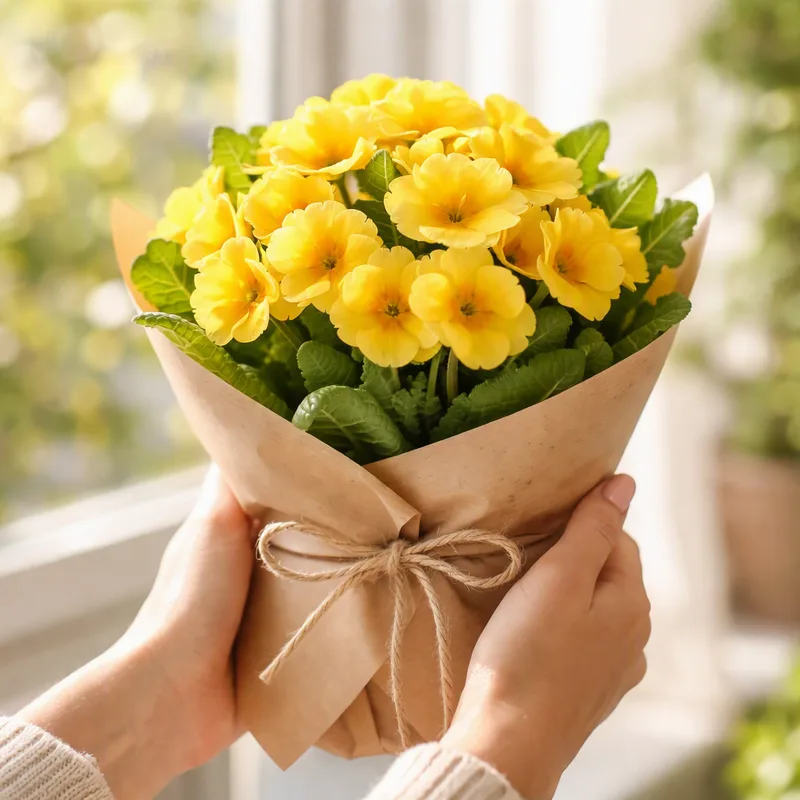
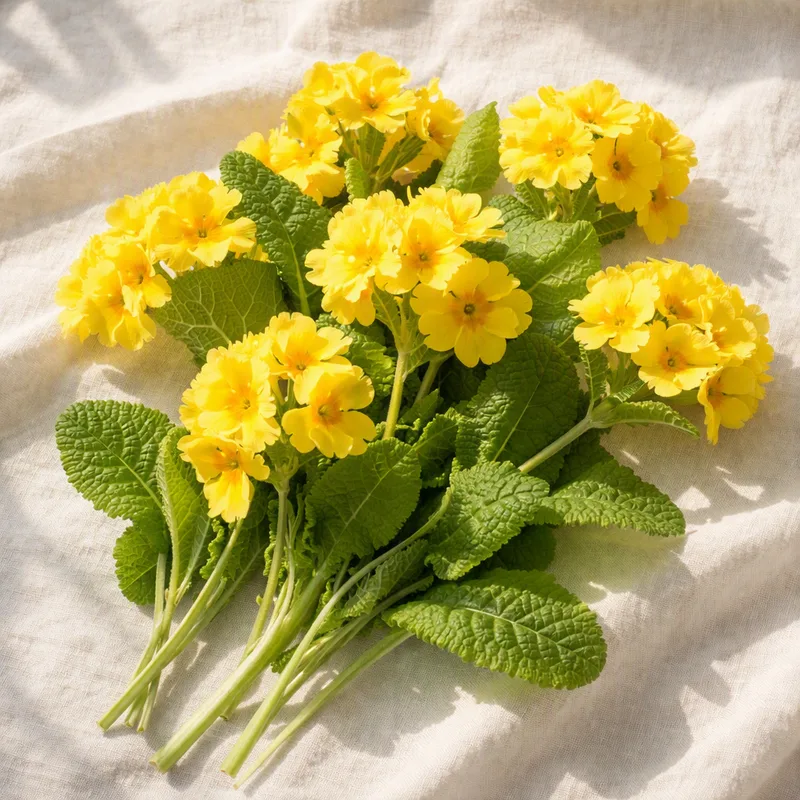
The wild primrose, Primula vulgaris, has pale yellow flowers with a deeper eye, held on short stalks above a crinkled rosette of leaves. Garden plants bred from it, including polyanthus types, come in many colours, but yellow remains closest to the original. Heights are around 10 to 25 cm.
Keeping a pot happy
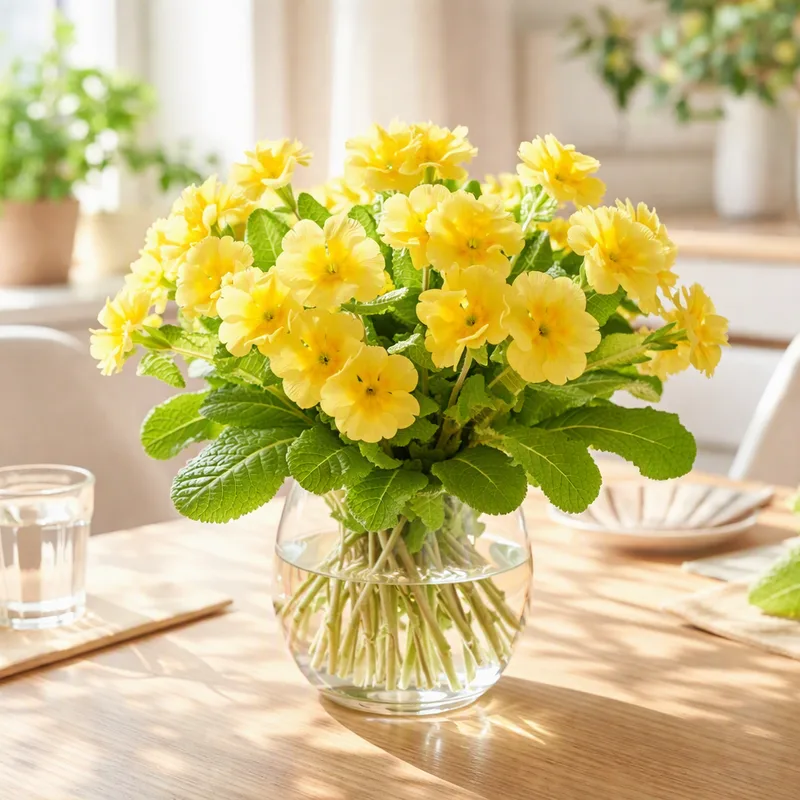
- Place it in bright light without hot afternoon sun.
- Water when the surface starts to dry and tip out water left in the saucer.
- Snip off spent blooms every few days.
- After flowering, plant it into part-shade soil that holds some moisture.
A warm, centrally heated room shortens the display, so choose a cool spot indoors.
Rashes and nibbling pets
Some primulas, especially Primula obconica, have hairs that carry a substance called primin, which can cause a skin rash in sensitive people. For animals, the ASPCA names primrose among plants toxic to dogs, cats and horses, and the sign on record is mild vomiting. A vet is the person to call if a pet chews it.