


What pink lavender is
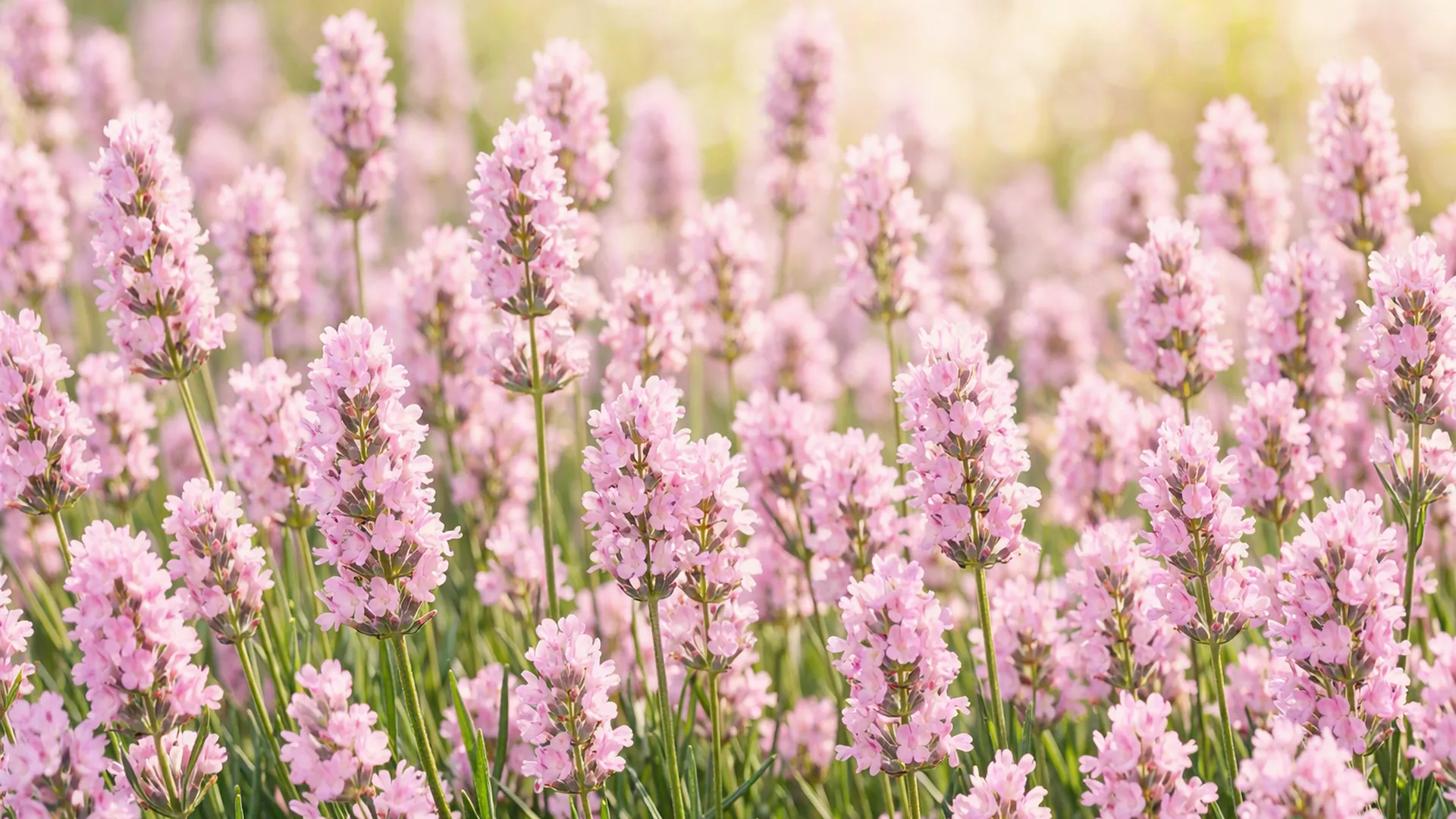
Pink lavender is a colour variant, not a separate species. Among cultivars of common lavender, Lavandula angustifolia, there are forms with rosy or pale mauve-pink flower spikes. The shade is gentle rather than strong, and it often looks like a washed purple in poor light. The leaves are grey-green, and the scent is the same sweet, herbal aroma.
Mixing colours
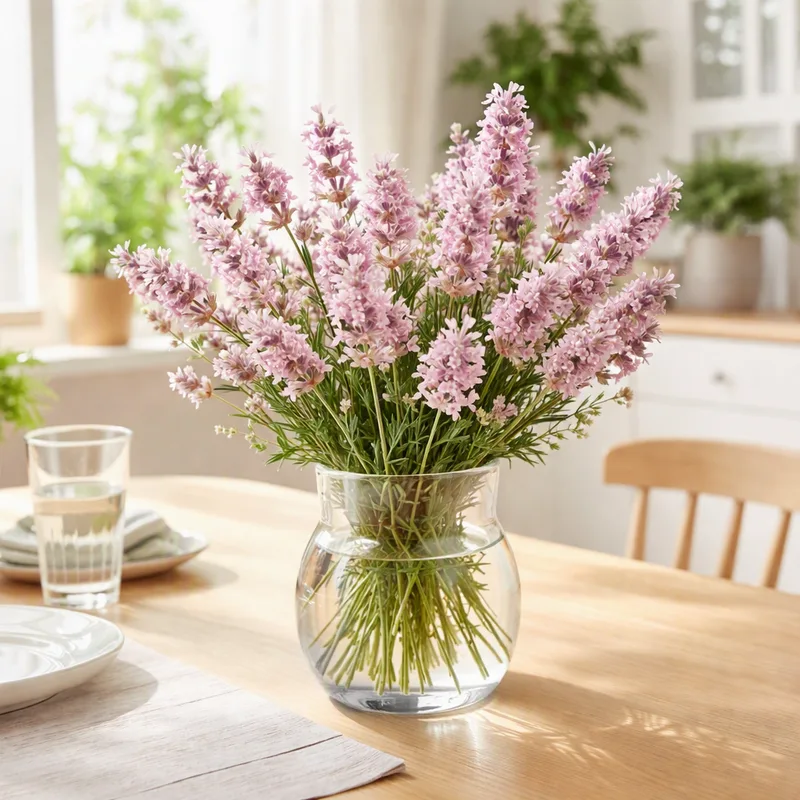
Searches such as lavender and pink flowers show how popular combinations are. Pink lavender suits a cottage planting alongside roses, cranesbill and white daisies. In a bunch, it pairs with pale roses and silver foliage. For a calm result, choose one pink and one white companion rather than several competing shades.
Care in Australia
- Full sun and well-drained soil.
- Lean ground, since rich soil encourages soft growth.
- In humid areas, fungal root rot can be a problem, so use raised beds or pots.
- Clip lightly after the summer flowering, around February.
Lavender suits mild-winter, dry-summer areas such as Perth, Adelaide and much of Victoria and Tasmania. Some people on the humid coast grow it in terracotta pots on a sunny verandah.
Dried stems and pets
Cut flowers when about half the buds are open and hang them to dry. Faded colour is normal and the scent stays.
Per the ASPCA, common lavender is toxic to dogs, cats and horses, causing nausea and vomiting. Keep dried bundles and oils out of animals' reach.
One caution for Victorian gardeners: Spanish lavender, Lavandula stoechas, has been declared a noxious weed in Victoria since 1920, so check the species name on the label.