

White Hepatica (Hepatica nobilis)
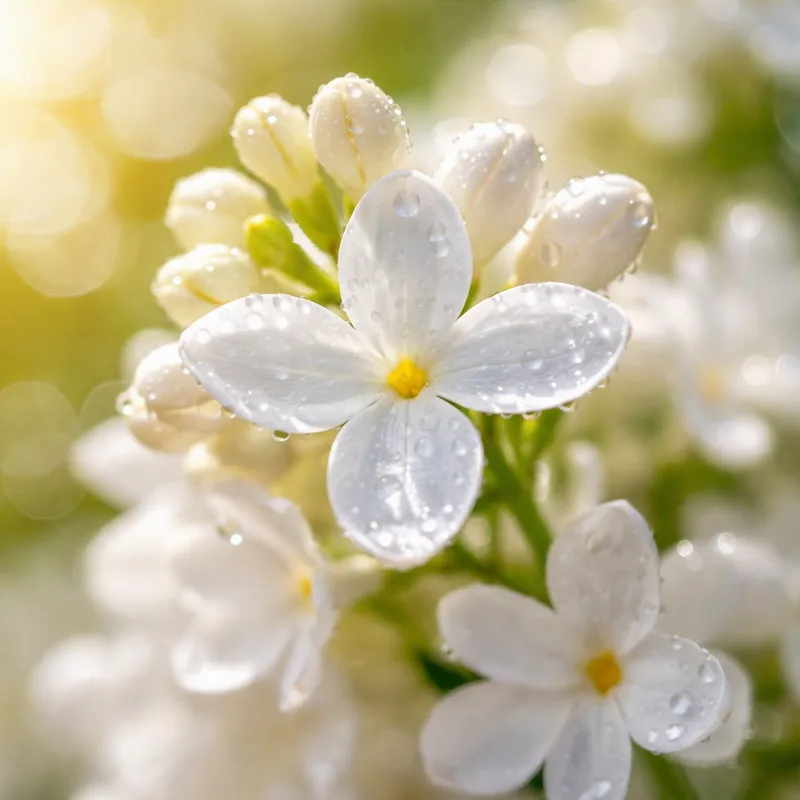
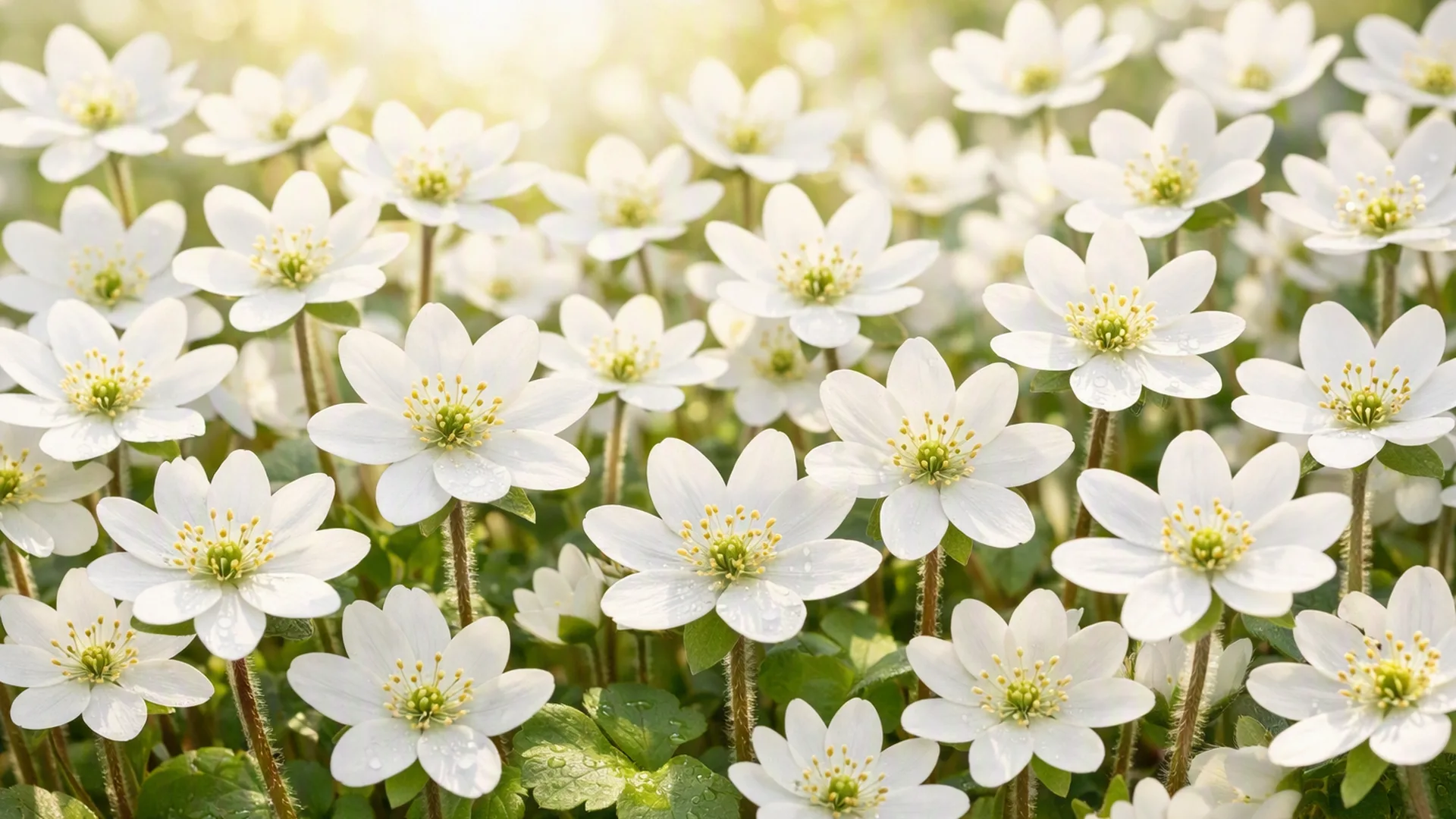
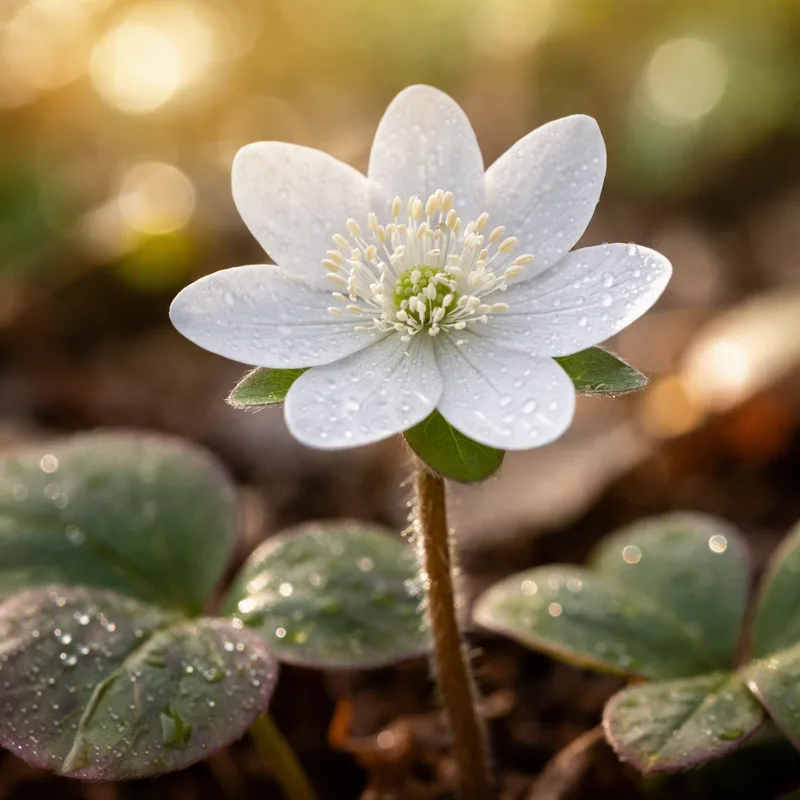
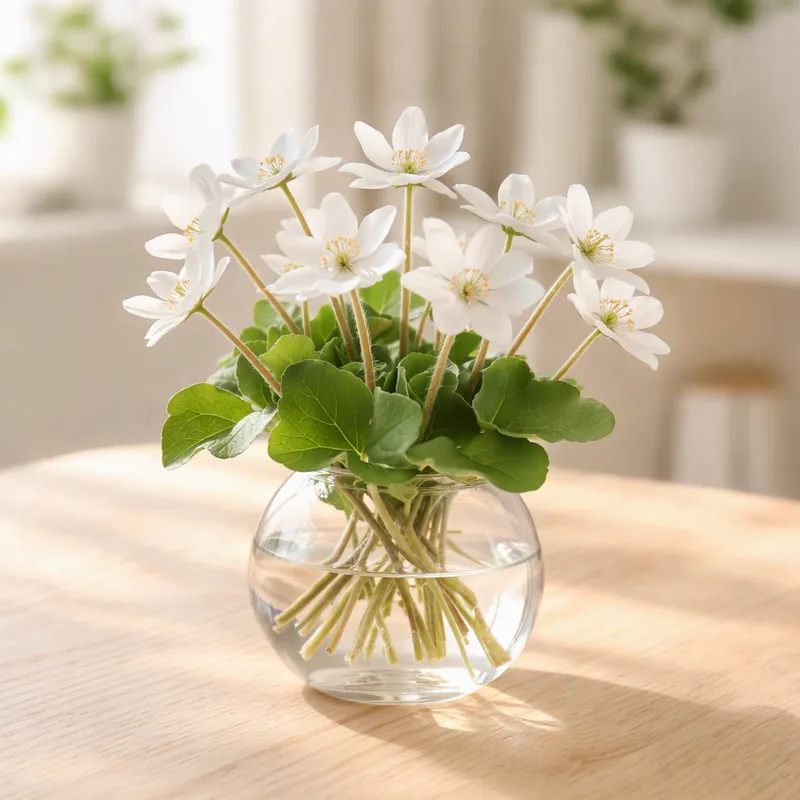
White Hepatica (Hepatica nobilis) is one of our most beloved early spring flowers, brightening shaded corners of the garden with its pure white petals. This charming perennial flowers as early as September-October, often while the frost is still about, giving us that first wonderful feeling that spring is on its way.
A robust and hardy spring flower
White Hepatica belongs to the buttercup family and is a natural variant of the more common blue Hepatica. The characteristic three-lobed leaves are leathery and often overwinter, meaning the plant retains its structure throughout the cold season.
Ideal growing conditions and soil
This beautiful spring flower thrives best in shaded to partially shaded spots beneath deciduous trees or shrubs. White Hepatica prefers well-drained but moisture-retaining soil that is rich in humus. Chalky soil encourages growth, but the plant adapts well to most soil types as long as they are neither waterlogged nor too dry.
Planting and establishment
The best time to plant is in autumn, March to April, when the plant goes dormant. Plant the rhizomes at approximately 3-5 centimetres depth with spacing of 10-15 centimetres between each plant. It may take a couple of years for Hepaticas to establish properly and flower abundantly, so be patient with these slow but persistent plants.
Care during the growing season
White Hepatica is a low-maintenance perennial requiring minimal upkeep once established. During spring and early summer, the plant needs consistent moisture, but avoid overwatering as this can cause root rot. Leave the foliage in place after flowering so the plant can gather strength for next year's blooms.
Propagation and spreading
The plant naturally propagates through its rhizomes and gradually forms beautiful colonies. You can also divide older plants in autumn by carefully splitting the rhizomes. Seed sowing is possible but requires patience, as it can take several years before plants flower.
Winter care and hardiness
White Hepatica is completely hardy and copes with Australian winters without difficulty. The foliage can be left over winter as natural protection, or you can cover the planting with leaves or evergreen branches for extra protection in very cold areas.
Combinations with other plants
This white beauty pairs excellently with other early spring flowers such as winter aconite, crocuses and spring snowflakes. It also complements other shade-tolerant perennials beautifully, such as lungwort, bishop's hat and various ferns, creating a natural woodland understorey in the garden.