
Four families under one name
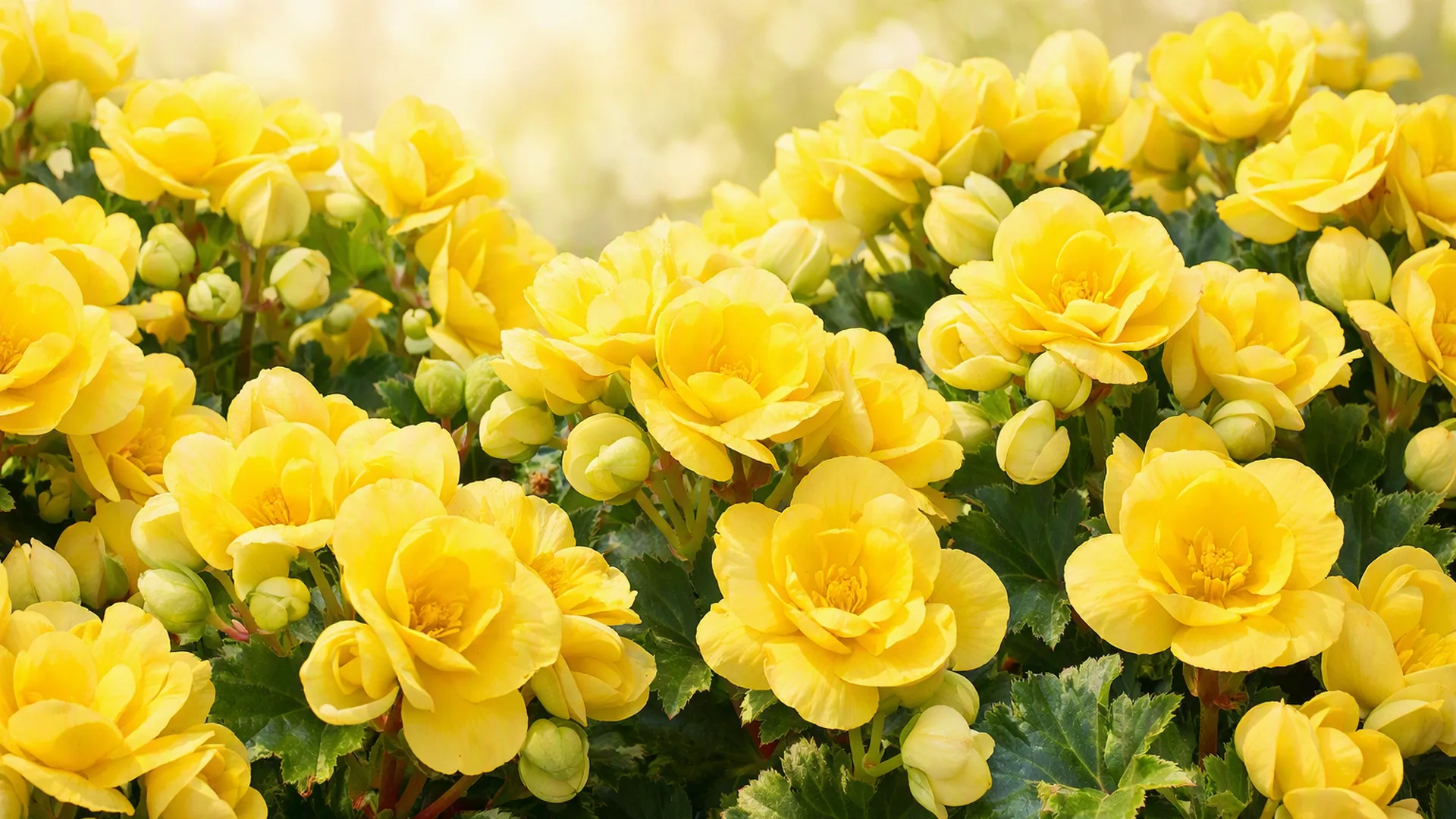
The genus Begonia has well over a thousand species, and gardeners meet them in a few main groups. The name honours Michel Bégon, a French governor and plant enthusiast. Many are shade plants from the tropics and subtropics, which is why they suit leafy verandahs and covered courtyards.
- Wax begonias have glossy leaves and bloom nearly all year in mild climates.
- Tuberous begonias grow from a tuber and produce big, ruffled flowers in summer.
- Rex begonias are mainly grown for patterned foliage.
- Cane or angel-wing types have upright, jointed stems and hanging flower clusters.
Matching the type to your climate
Humid coastal Queensland and the NSW north coast suit wax and cane types, and they can flower for most of the year. Tuberous begonias prefer cool, moist summers, so they do best in Victoria, Tasmania and the highlands. The city of Ballarat is well known for its tuberous begonias, which it celebrates at a festival each March.
In Perth and Adelaide, give begonias shade in summer and avoid hot dry winds. Frost damages most types, so move pots under cover in cold regions.
Potting mix, water and feed
Use a free-draining potting mix, keep it moist but not soggy, and feed lightly during the growing season. Overwatering leads to rot, and wet foliage in humid weather encourages powdery mildew.
Calcium oxalate in the roots
Begonias are on the ASPCA's list of plants that harm dogs, cats and horses. Soluble calcium oxalates are the cause, and the roots and tubers carry the most. Vomiting and drooling can follow, so ask a vet for advice.