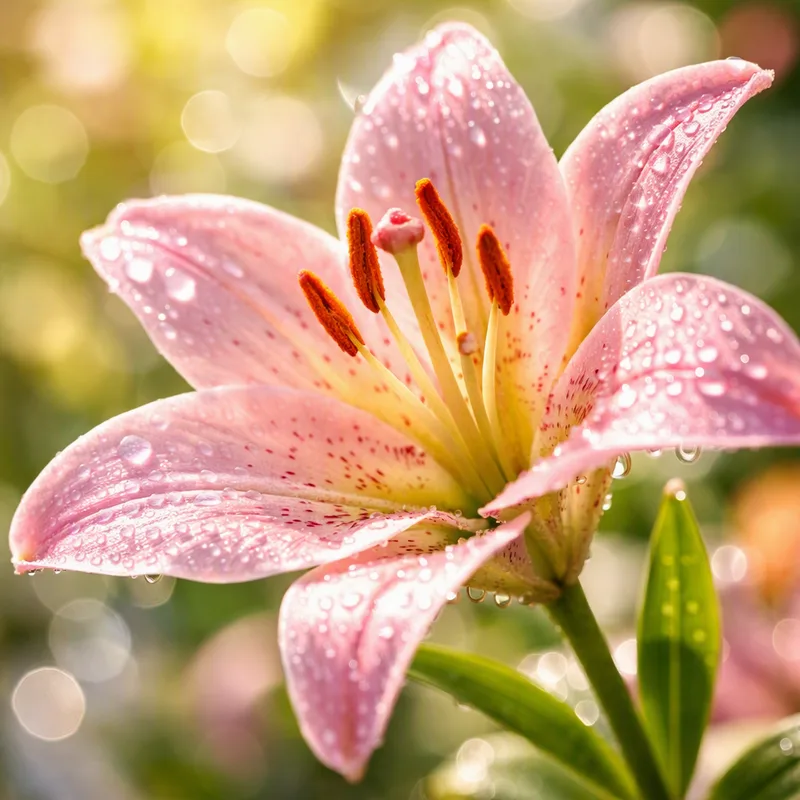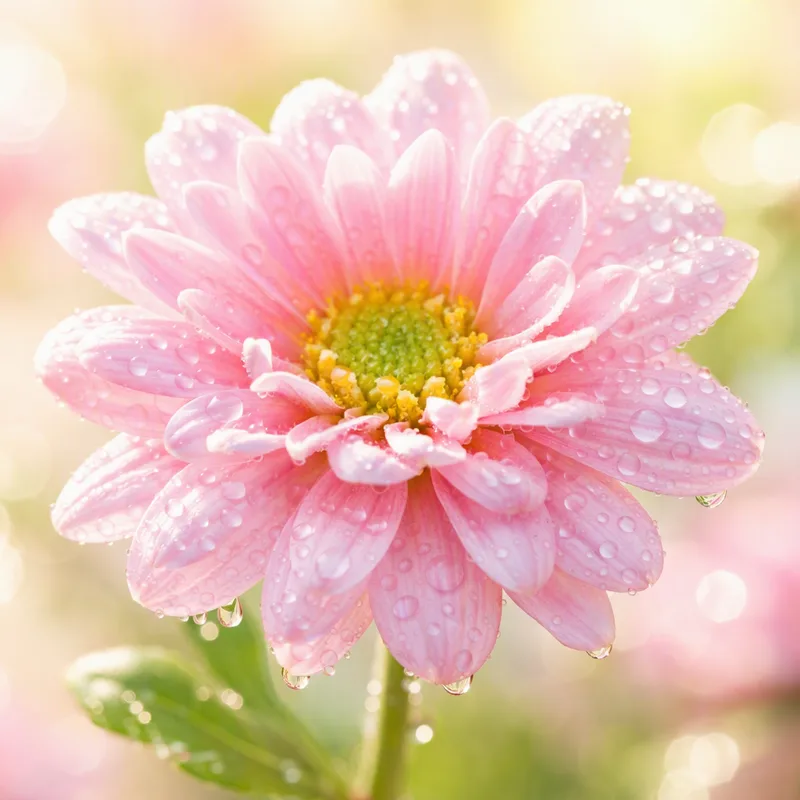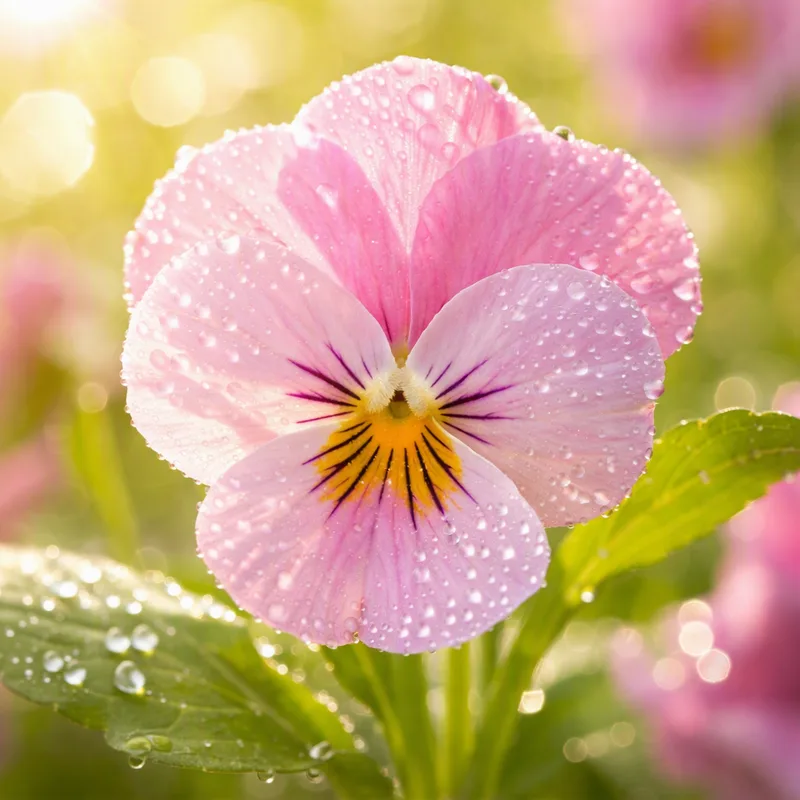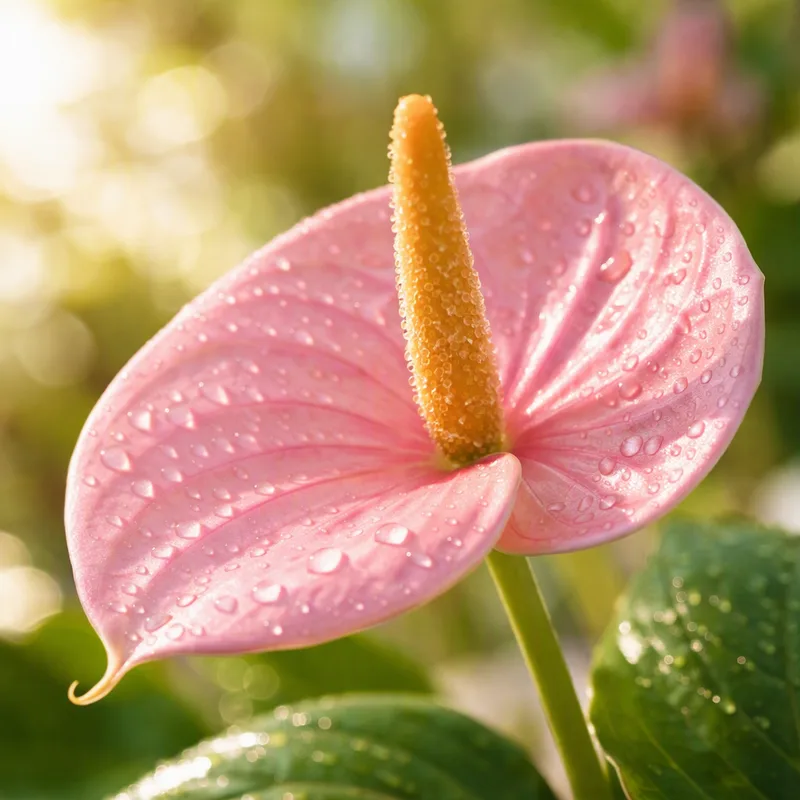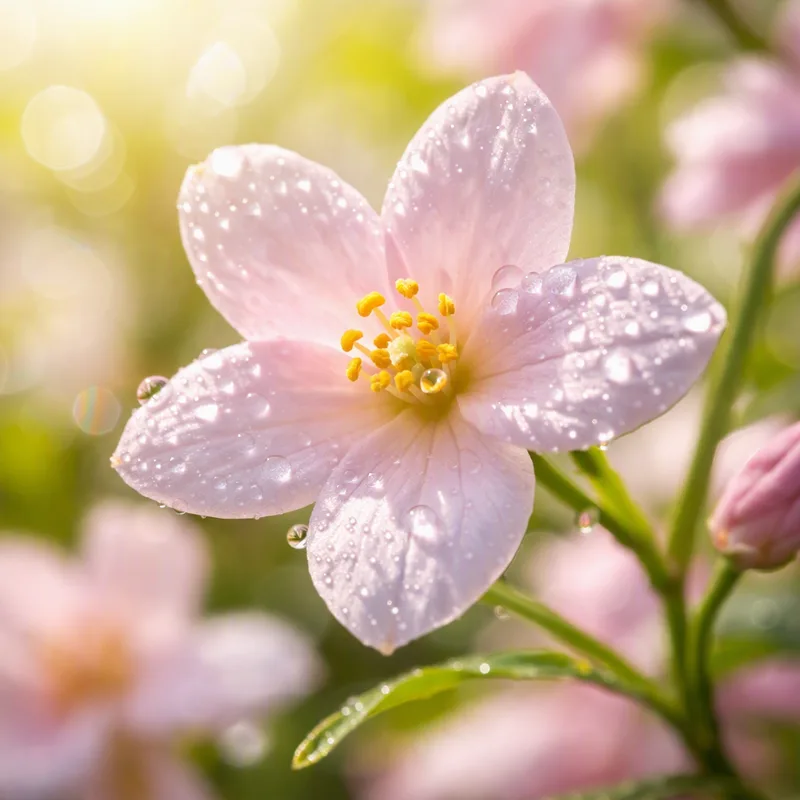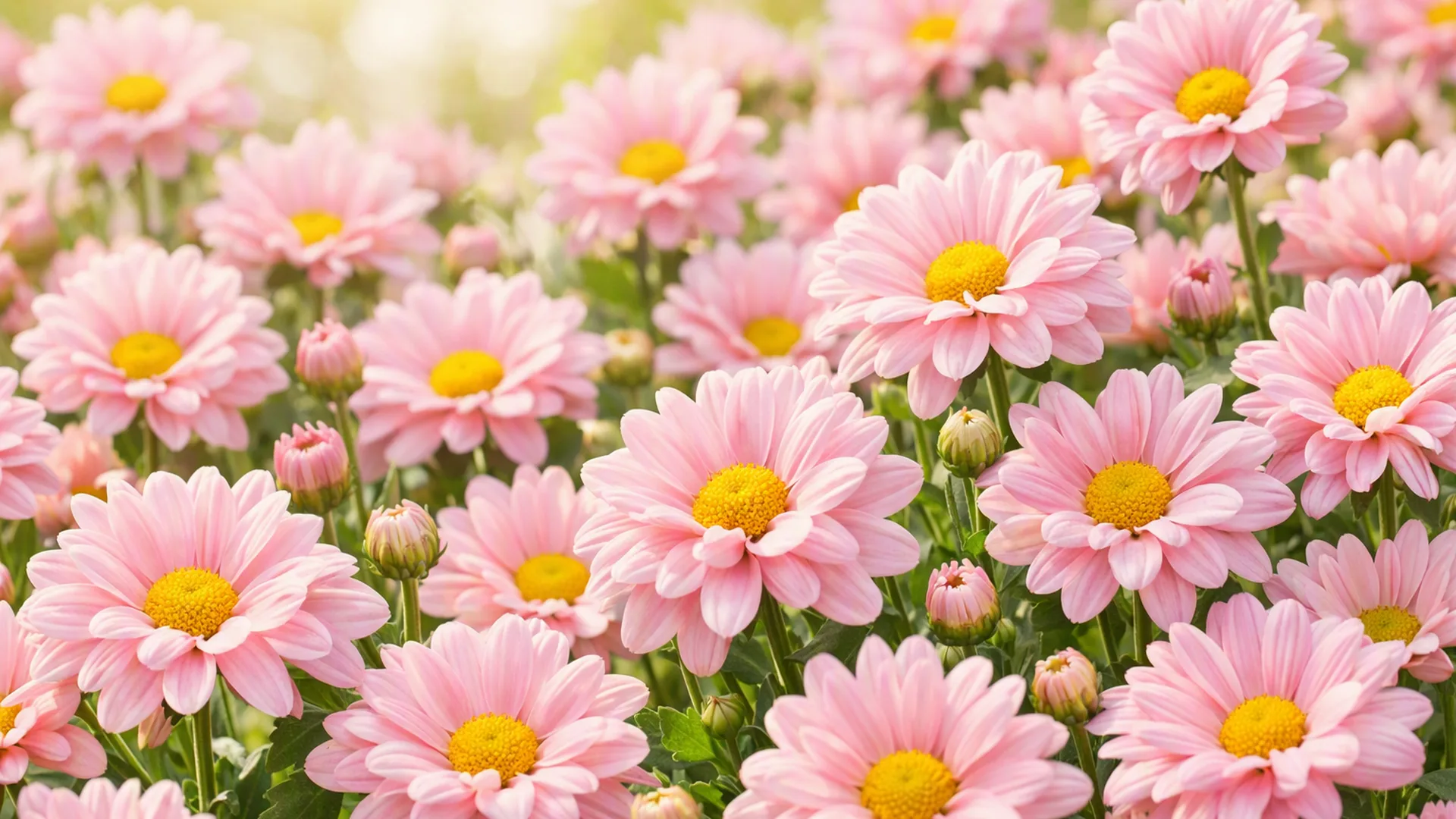
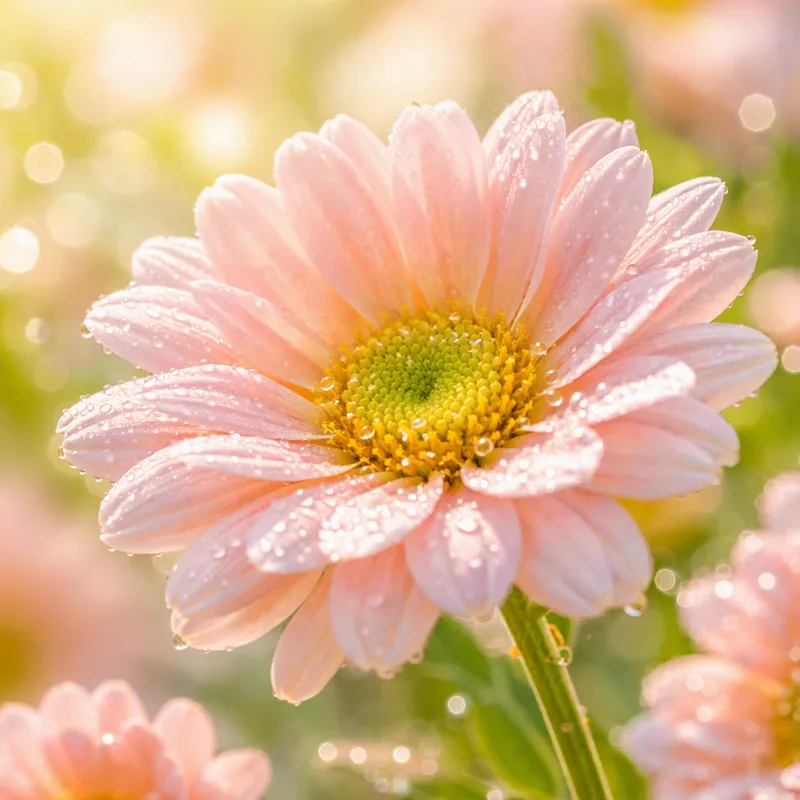
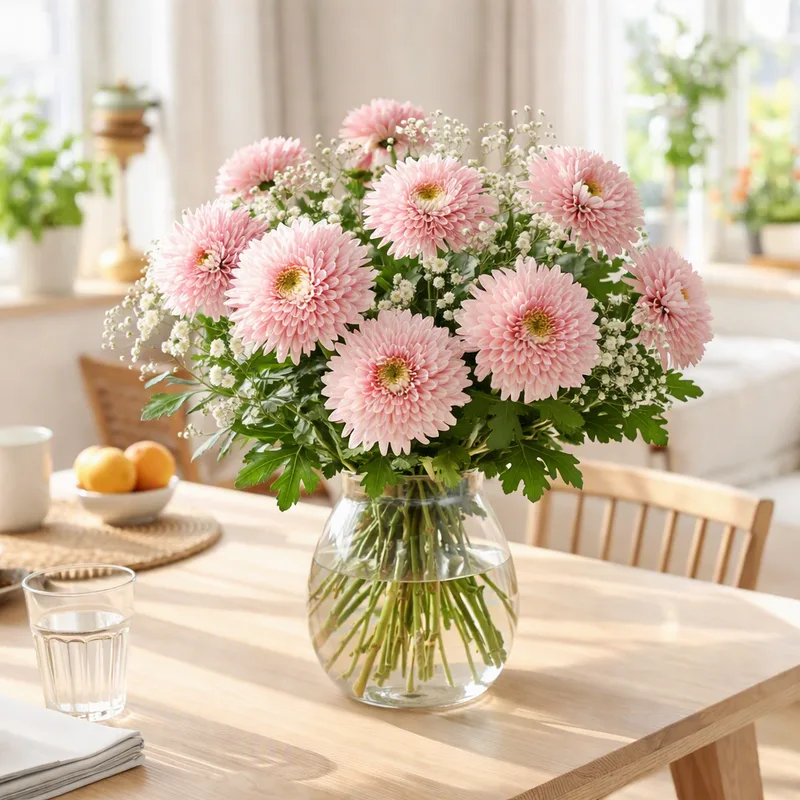
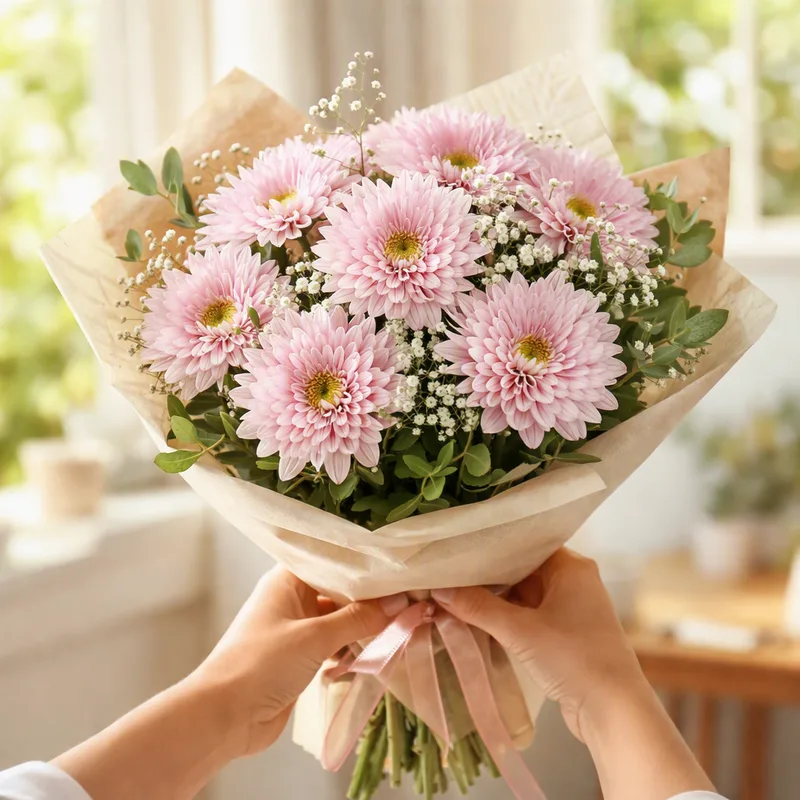
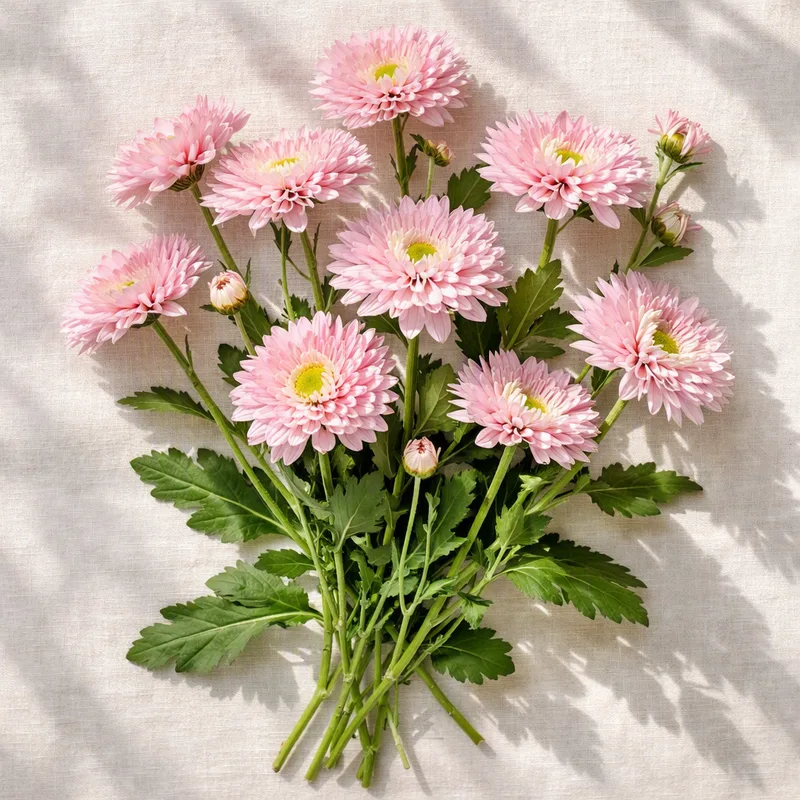
Pink is one of the most popular shades among breeders, and pink mums come in every flower form: tidy pompoms, shaggy spiders, and daisy singles with a yellow eye.
Shades of pink, softest to strongest
The paler end of the range reads as soft and gentle and suits baby showers, christenings and sympathy cards. Mid pinks, often called rose or candy, look cheerful and are common in Mother's Day bunches around the second Sunday of May. Deep magenta pinks hold their own in a bold arrangement with orange or lime green. Meanings in the language of flowers vary by source, and pink mums are usually described as affectionate and warm.
Mixing pink mums with other stems
- With white mums for a clean, cottage-style bunch.
- With bronze or yellow mums for a richer autumn mix.
- With eucalyptus, rice flower or gum foliage for a distinctly Australian green backdrop.
Growing pink mums
Garden mums in pink are sold in pots in autumn, and they flower again each year in cool and temperate areas if cut back after flowering. In Perth and Adelaide they cope well with Mediterranean conditions as long as they get deep, regular watering through summer. Pink flowers fade a little in strong sun, so a spot with morning light and afternoon shade keeps colour truer.
Vase life and care
Mums are among the longer-lasting stems, often ten to fourteen days. Change the water every second day, remove submerged leaves and give each stem a fresh cut.
Danger for dogs and cats
Chrysanthemum is on the ASPCA list of plants that are toxic to dogs, cats and horses. Keep pink bunches out of reach and speak to a vet if a pet has eaten any.