


Primula as a houseplant
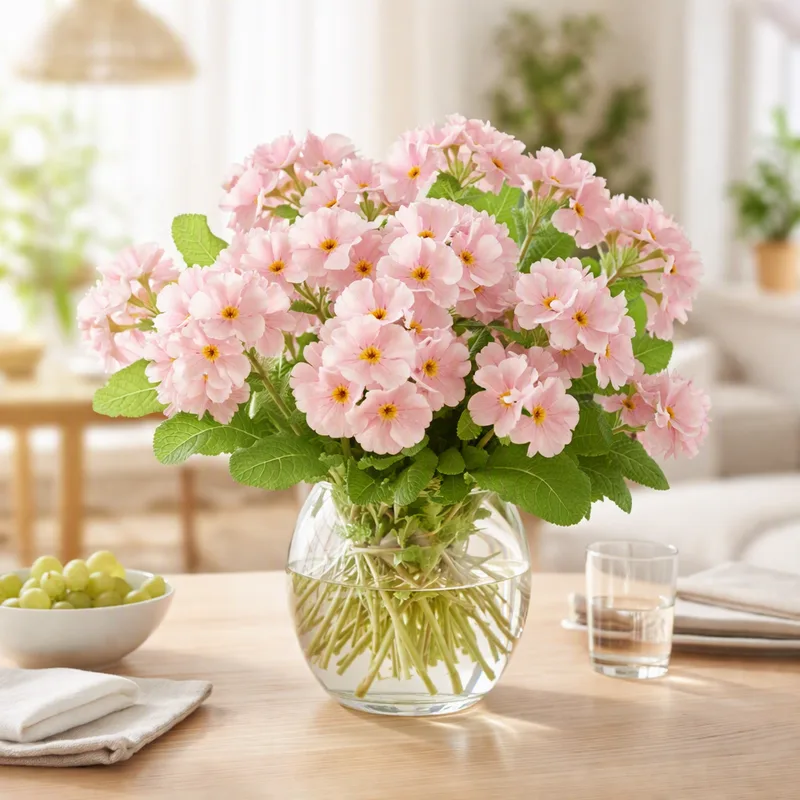
A lot of people search for primula as a houseplant, and the answer is that it is a short-lived indoor display. Pink primulas are sold in flower, usually in late winter and spring, and they last longest in a cool, bright room without a heater nearby. After flowering, they are better planted outside in a shady bed than kept indoors through summer.
Moving a pink primula outdoors
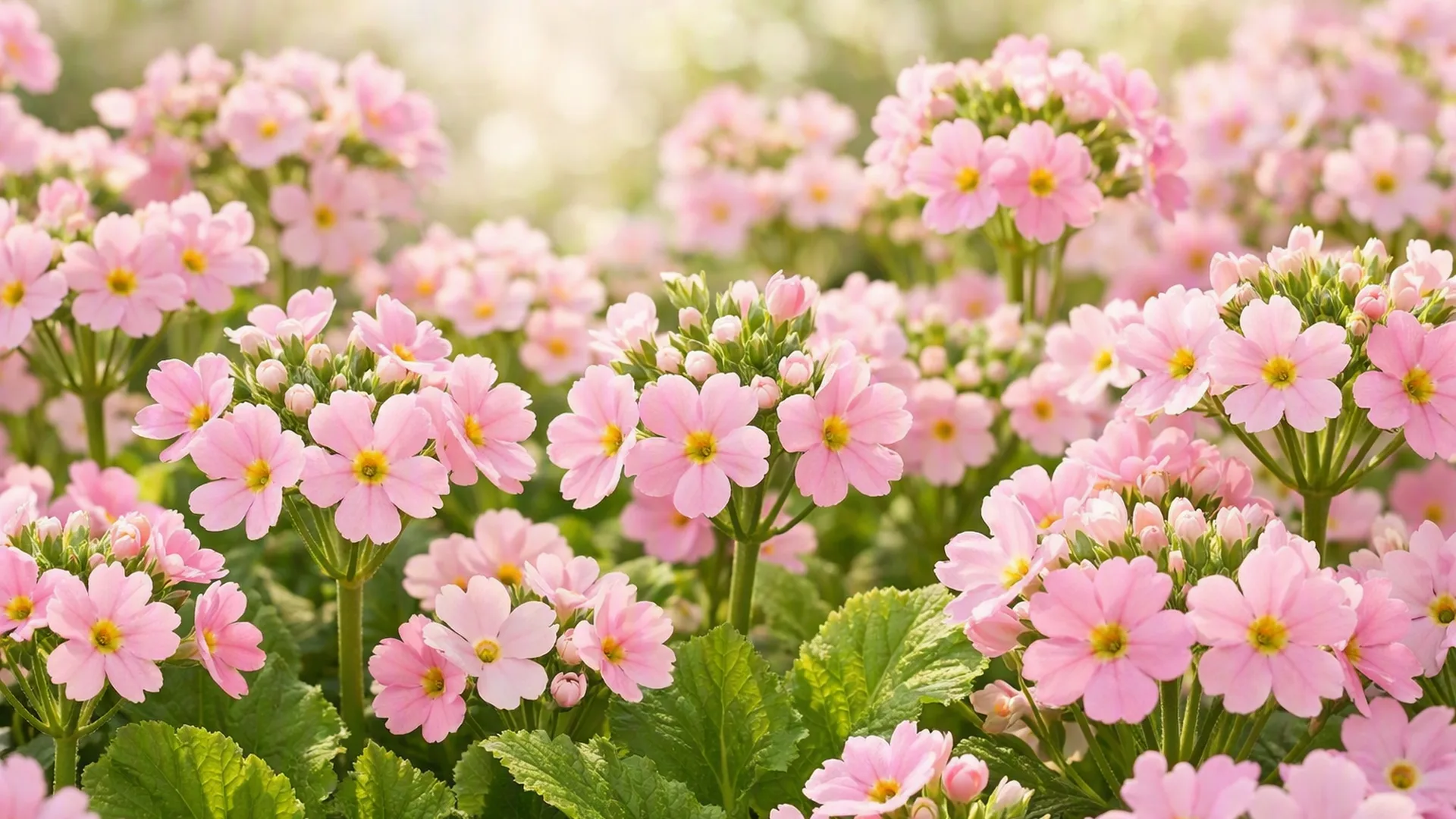
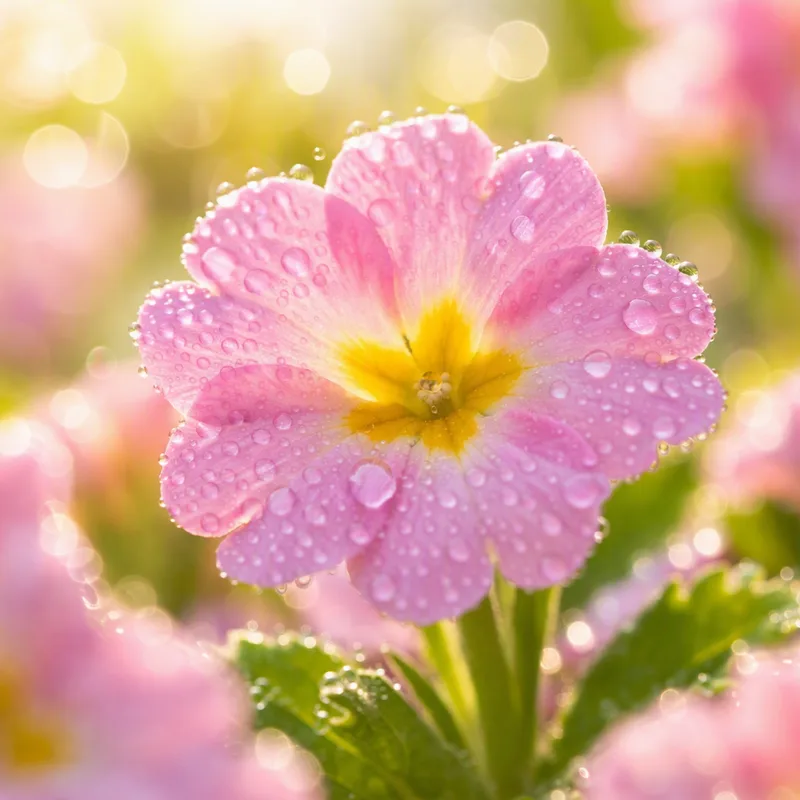
Pink primulas are typically garden forms of Primula vulgaris and the polyanthus group, ranging from pale rose to deep cerise, often with a yellow centre. They reach about 10 to 25 cm. In cool states they can return year after year in moist shade. In Sydney, Perth and Brisbane they function as winter annuals, planted in autumn and replaced when the weather turns hot.
Looking after a pink pot
- Stand the pot in bright light away from hot glass.
- Water from below and let the surface dry between waterings.
- Pinch off dead flowers.
- Feed lightly while blooming.
- Plant out into part shade once flowering ends.
Rash and pet warnings
The best-known skin problem comes from Primula obconica, whose hairs carry primin and can trigger contact dermatitis. If you react to plants, choose other species or wear gloves.
On pets, the ASPCA lists primrose (Primula vulgaris) as toxic to dogs, cats and horses. The effect noted is mild vomiting. Place pots out of reach and speak to a vet if an animal has eaten some.


