



Oxeye Daisy Classic (Leucanthemum vulgare)
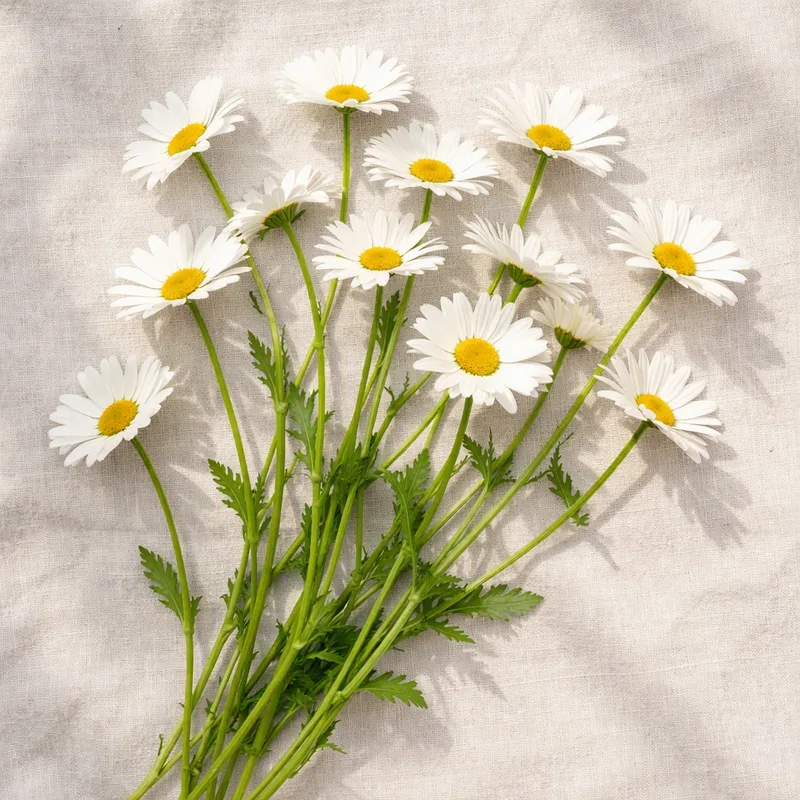
Oxeye Daisy Classic is one of our most beloved perennials, spreading joy with its simple white petals and golden centres. This robust flower has been a cherished fixture in gardens for generations and continues to charm both experienced gardeners and beginners alike.
A flower with character and charm
Oxeye Daisy Classic stands out through its natural elegance and unpretentious beauty. The characteristic white petals surround a sunny golden centre, creating a timeless combination that suits most garden settings.
Ideal growing conditions and soil requirements
For best results, Oxeye Daisy Classic thrives in sunny to semi-shaded locations where it receives at least four to six hours of direct sunlight daily. The plant is adaptable regarding soil type but prefers well-draining soil with good permeability. Standing water can cause rot, so avoid low-lying areas where water collects.
Planting and establishment
The best time for planting is spring or early autumn when temperatures are mild and soil is moist. Dig the planting hole twice as wide as the root ball and place the plant at the same depth as it was in the pot. Gently firm the soil around the roots and water thoroughly after planting.
Care during the growing season
Oxeye Daisy Classic is relatively low-maintenance once established. Regular watering is important during the first few weeks, but afterwards the plant tolerates short dry periods well. Deadhead spent flowers regularly to encourage continued blooming and prevent self-seeding if not desired.
Overwintering and perennial care
As a perennial, Oxeye Daisy Classic returns year after year with proper care. In late autumn, you can allow the final flowers to develop into seeds if you wish for natural propagation. Cut the plant back to ground level after the first frost and cover lightly with leaves in cold areas.
Combinations and garden design
Oxeye Daisy Classic works beautifully in naturalistic plantings alongside other perennials such as bluebells, red clover and ornamental grasses. It also suits cottage garden style or as an edging plant along paths and flower beds, where its simple charm can really shine.