
White Ox-eye Daisy – a Summer Meadow Classic

White ox-eye daisies bring a fresh, natural summer-meadow feel to any bouquet.

Ox-eye Daisy – the Classic Meadow Daisy

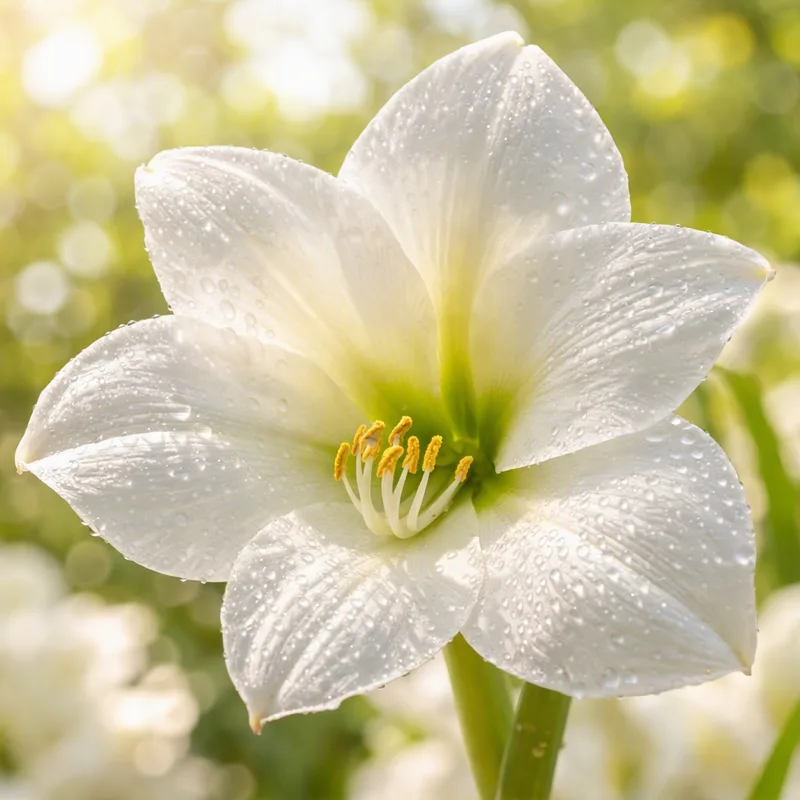
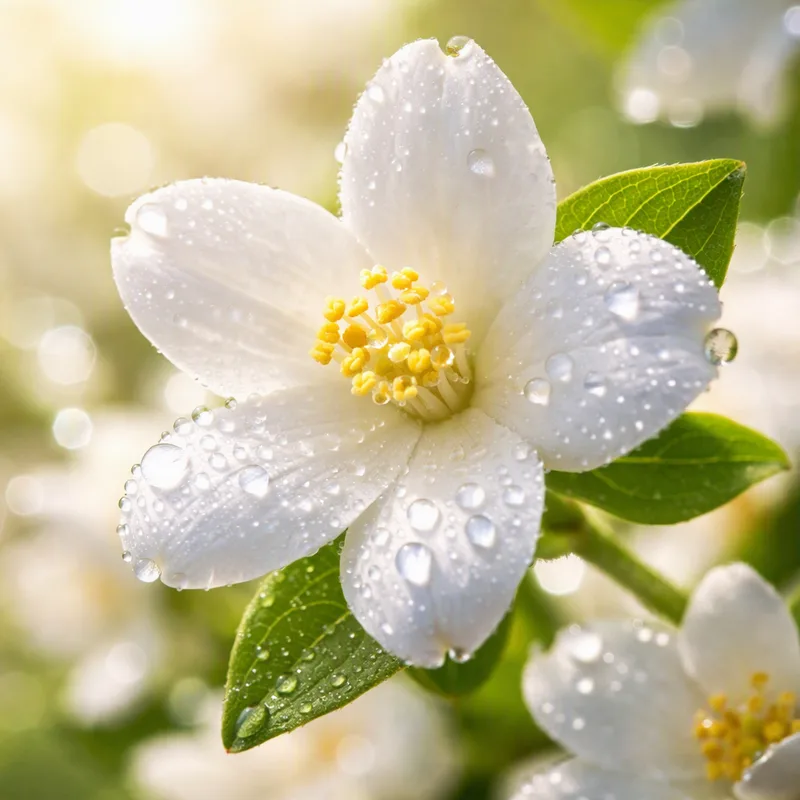
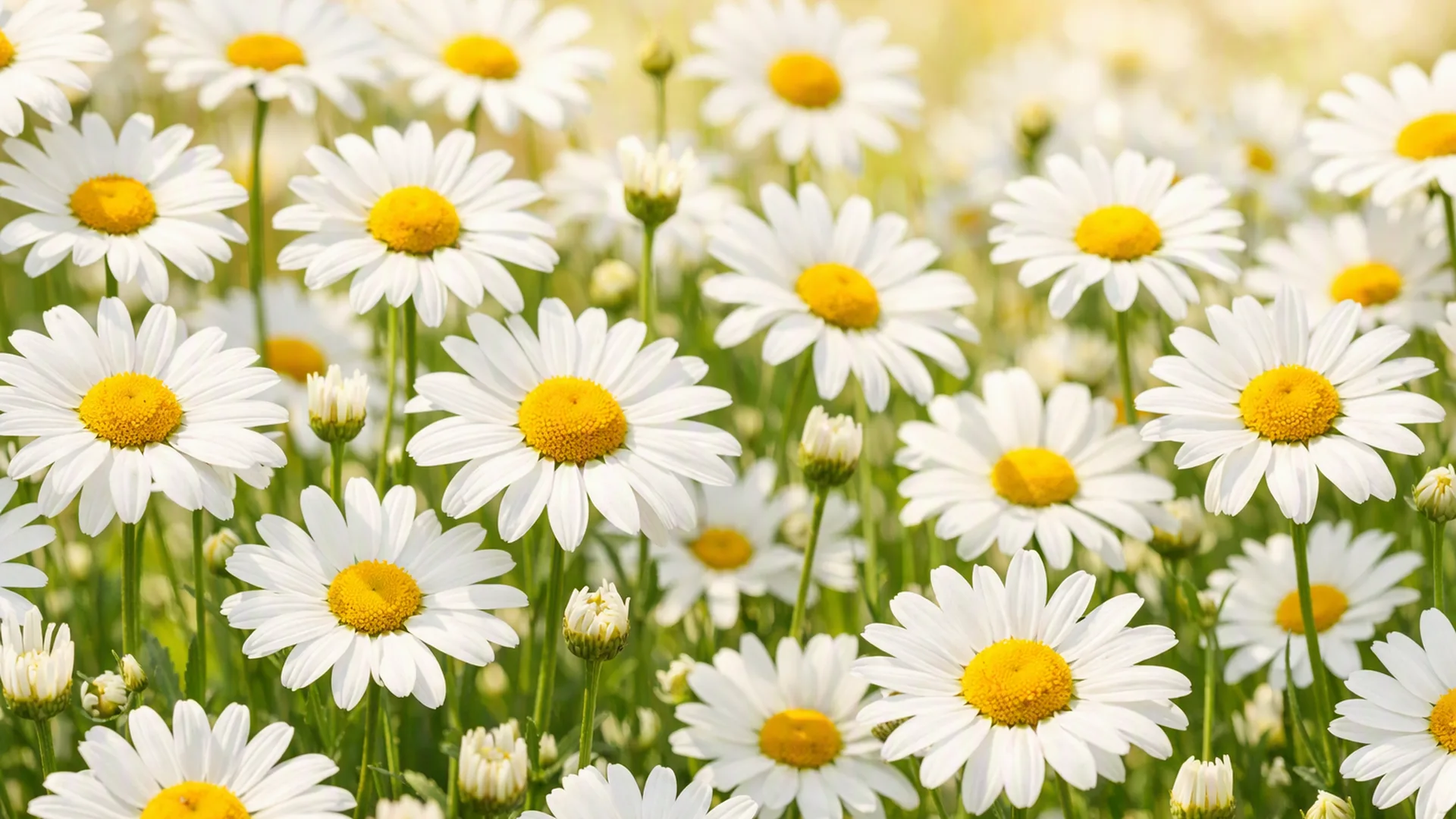
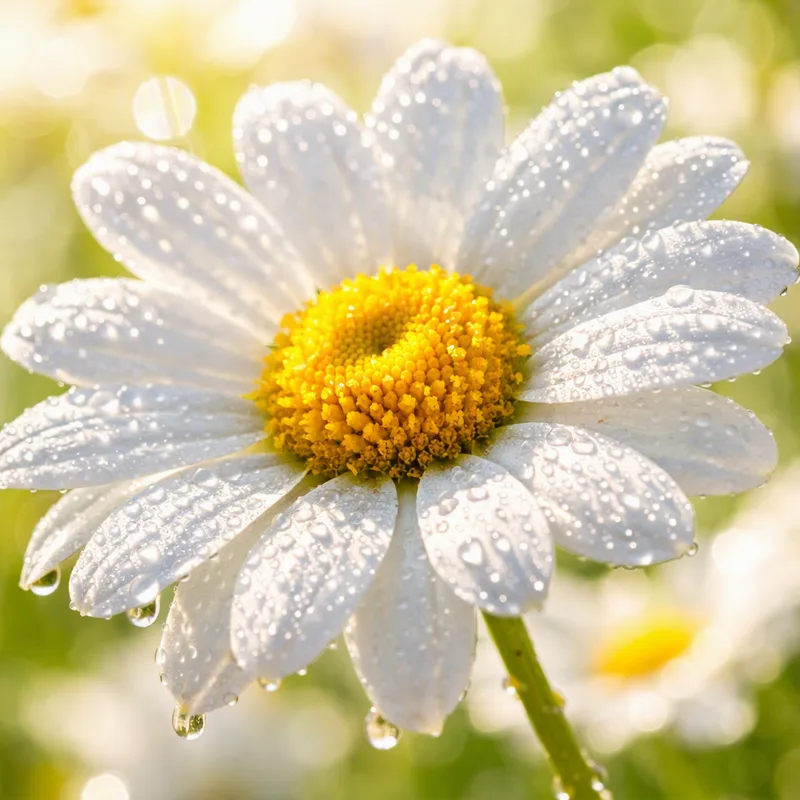
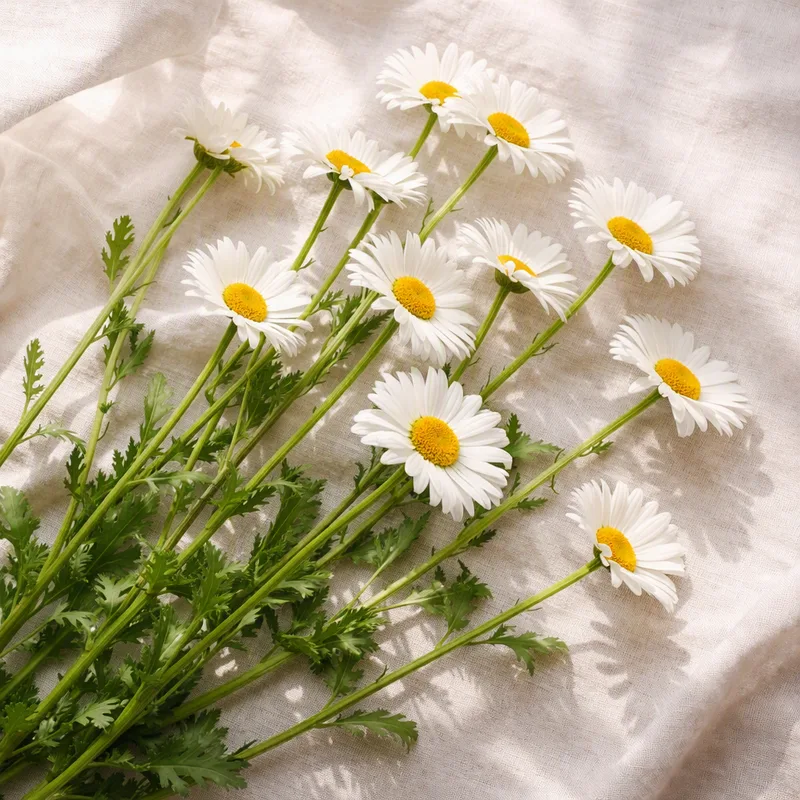
The ox-eye daisy (Leucanthemum vulgare) is a perennial in the daisy family, native to Europe and temperate Asia. It is easy to recognise: each flower head is three to five centimetres across, with white ray petals around a bright yellow centre. Stems usually reach 30–70 centimetres, and in Australia it flowers from late spring through summer. White is the species' natural colour. The pure white petals freshen up any bouquet and suit a summery table just as well as a country wedding.

Growing Ox-eye Daisies in Australia

Ox-eye daisies like a sunny spot in well-drained soil and cope easily with cold winters. However, the plant spreads readily by seed and creeping roots, has naturalised in cooler parts of south-eastern Australia and is regarded as an environmental weed in some regions. Check your local council's advice before planting it, keep it well away from bushland and pasture, and deadhead the flowers before the seed ripens. For a similar look in the garden, the marguerite daisy (Argyranthemum frutescens) is a well-behaved alternative.

Ox-eye Daisies in the Vase

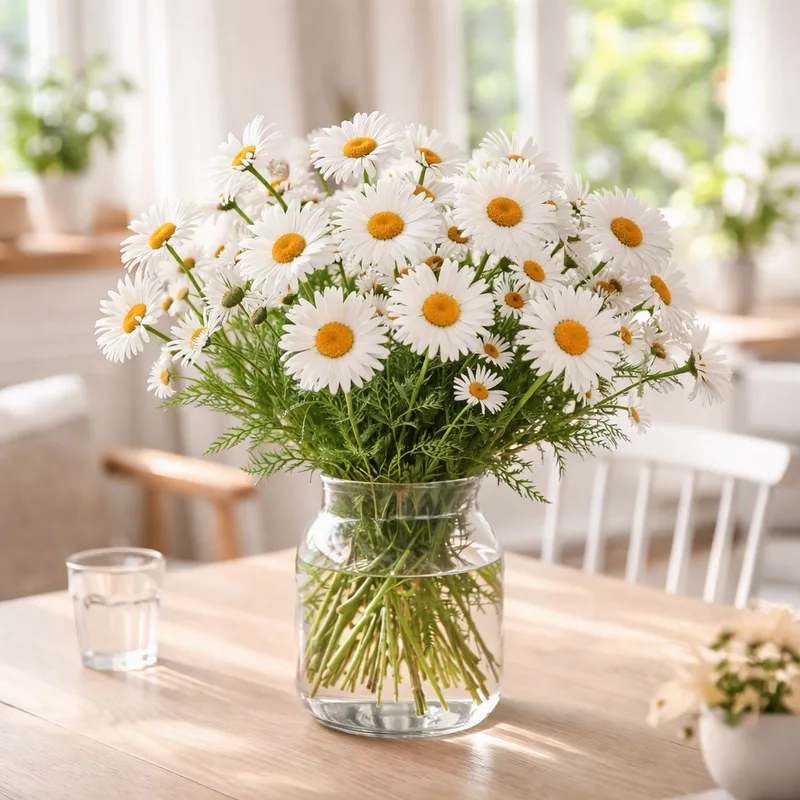
Cut the stems in the morning when the flowers have just opened and put them straight into cool water. Change the water every couple of days and re-trim the stems, and they will last around 7–10 days. They combine beautifully with cornflowers, grasses and other wildflowers for a relaxed, just-picked look.

Good to Know if You Have Pets

The ox-eye daisy is toxic to cats and dogs. Chewing it can cause drooling, vomiting and skin irritation, so keep the bouquet out of reach of pets.

Quick facts – Ox-eye Daisy – White

Colour
white
Latin name
Leucanthemum vulgare
Type
wildflower
Light
full sun
Water
moderate
Height
30-70 cm
Vase life
7-10 days
Scent
mild
Toxic to Pets
yes
Choose bouquet Learn about delivery & times

Delivery across Australia • Popular choices

FAQ about Ox-eye Daisy – White

What kind of soil suits ox-eye daisies best?
Ox-eye daisies thrive in well-drained soil with a neutral to slightly alkaline pH. They tolerate most soils from sandy to loamy, including fairly poor soil, but avoid heavy clay that becomes waterlogged.
How often should ox-eye daisies be watered?
Newly planted daisies need regular watering for the first four to six weeks. Once established, watering once a week is enough in normal conditions, more in summer heat, and the plant copes well with short dry spells. Let the soil dry out between waterings.
Do ox-eye daisies need pruning?
Deadhead faded flowers regularly to prolong flowering and prevent self-seeding, which matters in Australia, as the ox-eye daisy is a declared or environmental weed in several states. After flowering, or in late autumn, cut the plant down to 5-10 cm above the ground.
Which pests and diseases can affect ox-eye daisies?
Ox-eye daisies are generally very resistant. Aphids may appear on young shoots without causing much damage, and root rot or powdery mildew can occur in overly damp conditions. Good air circulation and avoiding overwatering prevent most problems.
Are ox-eye daisies hardy?
Yes, the ox-eye daisy is a fully hardy perennial and needs no winter protection. Cut it down after flowering and let the roots rest over winter. It spreads readily by seed, so check your local council's weed list before planting and keep it out of bushland.

Recommended bouquets

Related flowers

🌸 Choose Bouquet