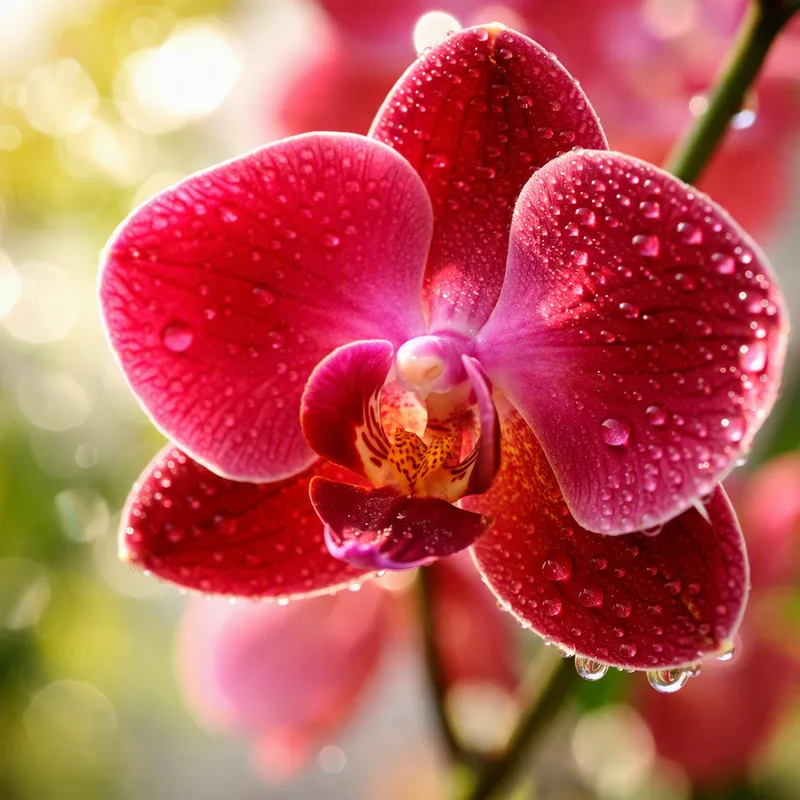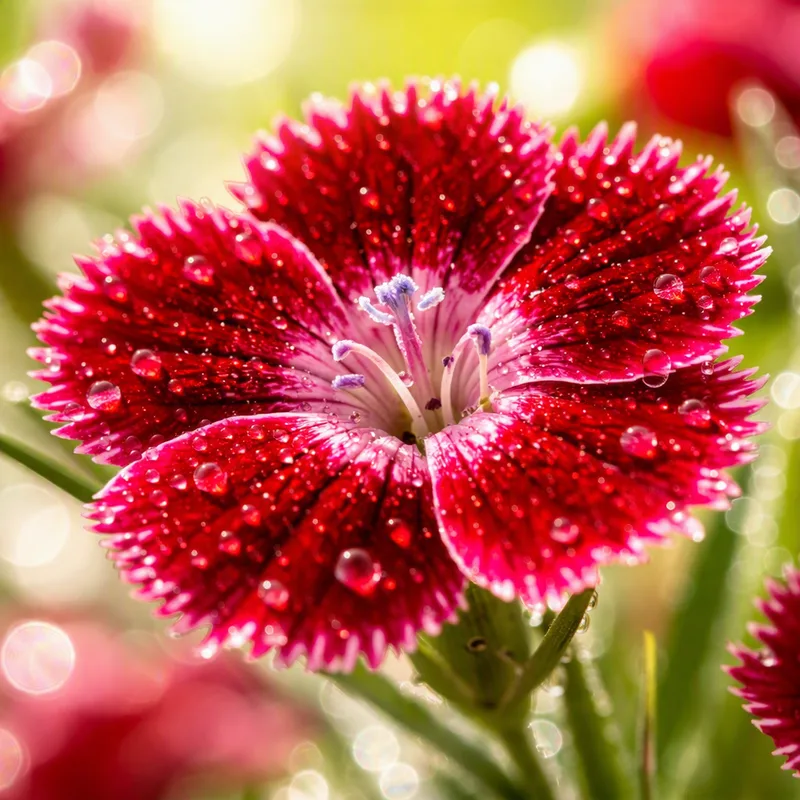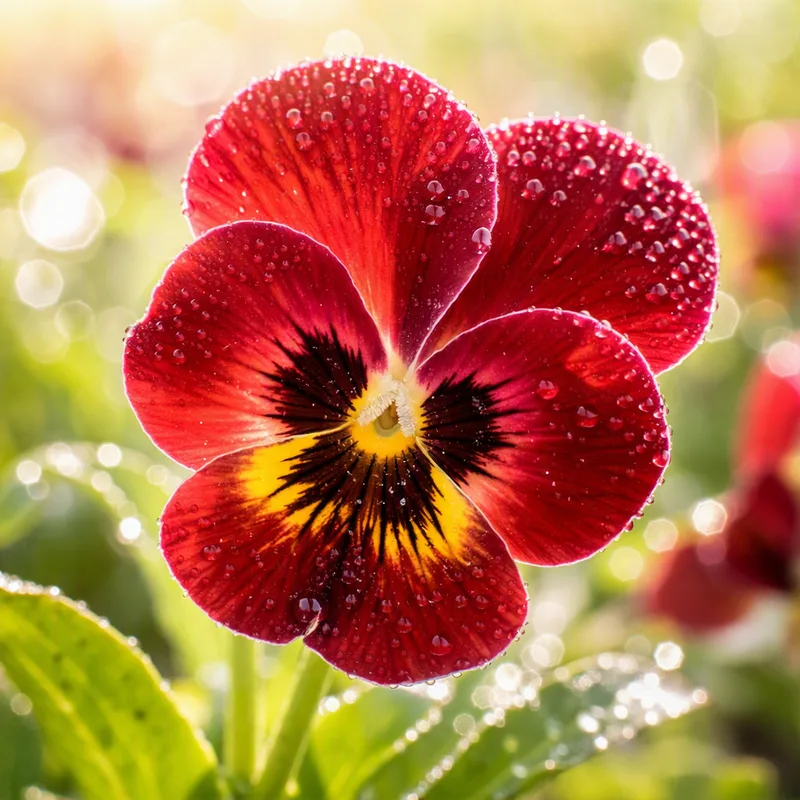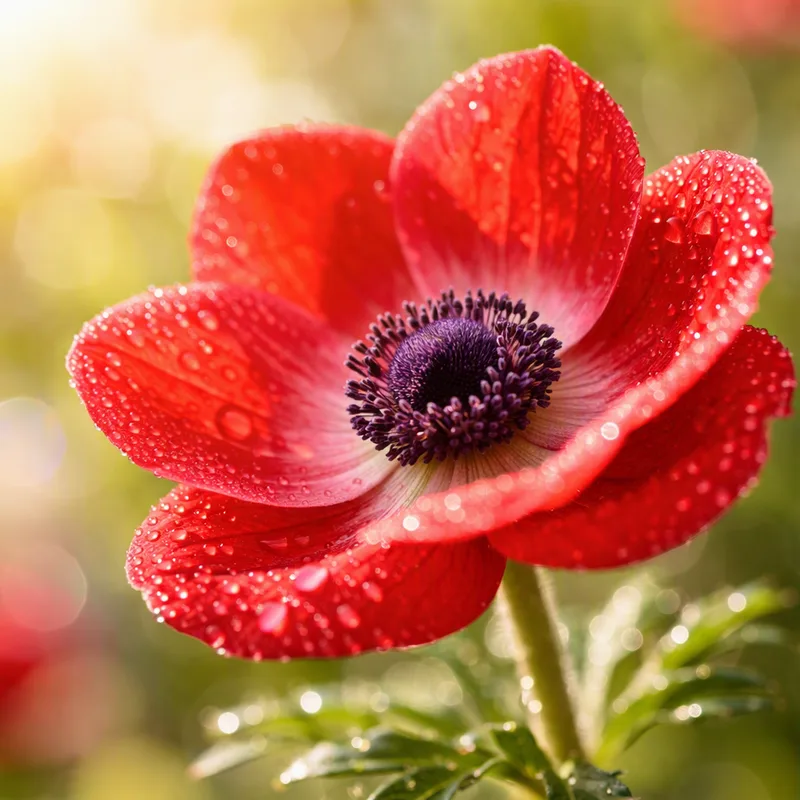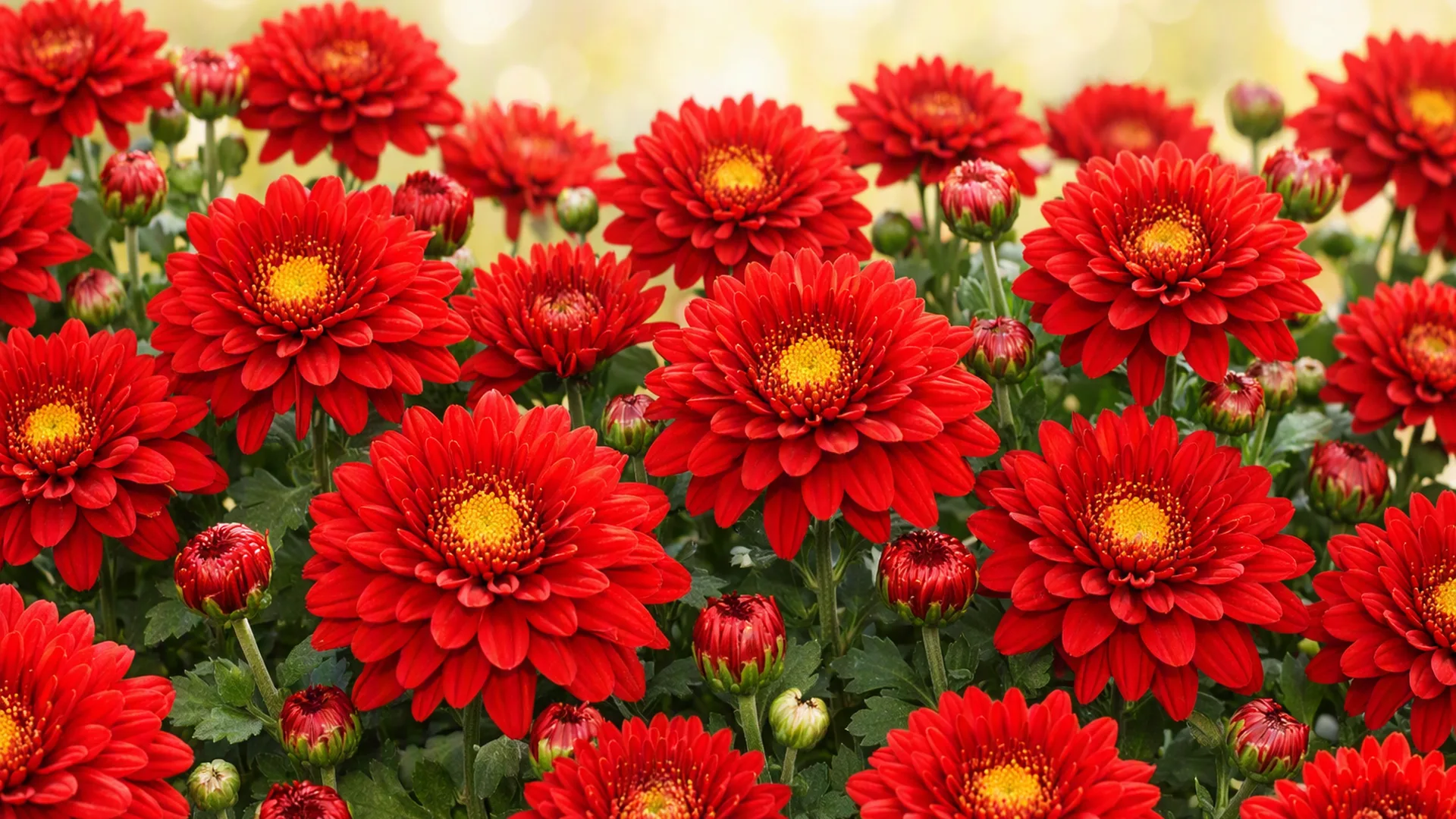

Red is one of the colours chrysanthemums show naturally. Wikipedia notes that the ray florets of the genus are white, yellow or red around a yellow centre, and breeders have since pushed the red range from brick and orange-red through crimson to dark wine tones.
Reading the red
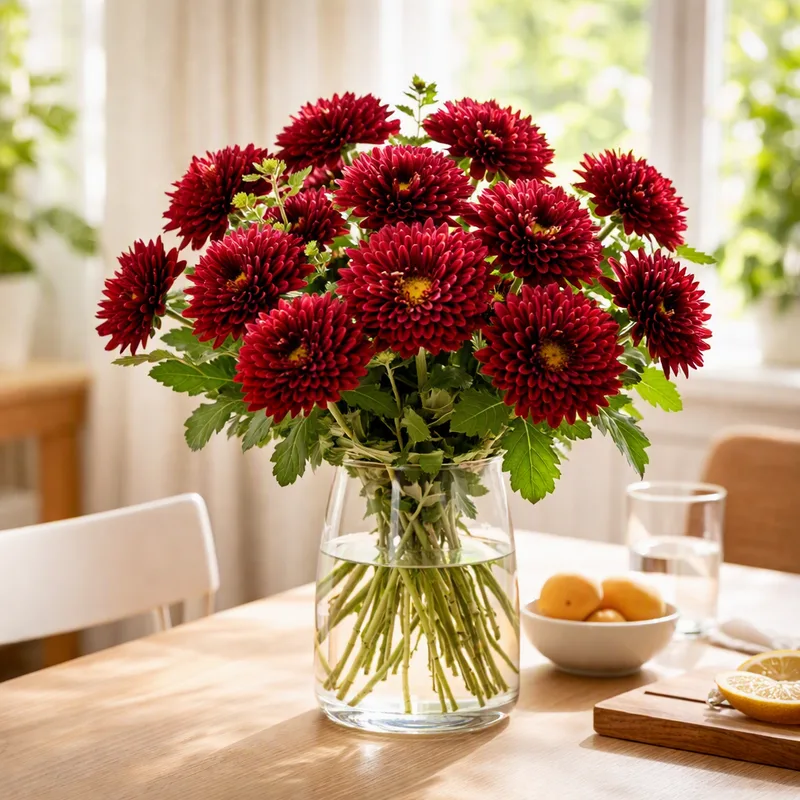
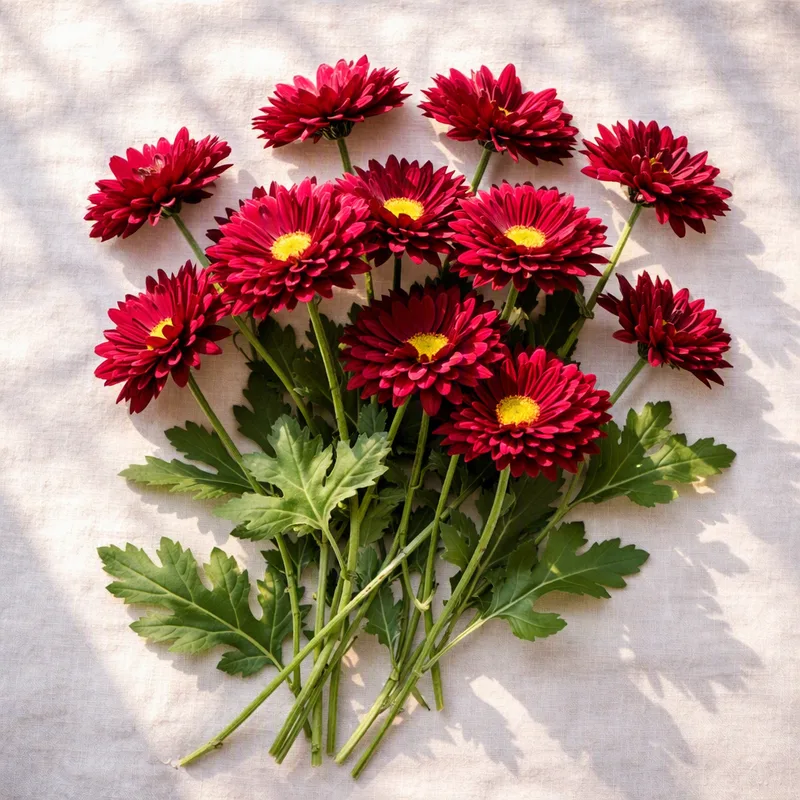
Few mums are truly pillar-box red. Many sold as red lean towards bronze or burgundy, and the colour often looks richer in cool autumn light than under a shop's bright lamps. If a particular shade matters, ask to see the actual stems. In the language of flowers, red chrysanthemums are often said to speak of love, and red also feels at home at Anzac Day when paired with rosemary. Remembrance Day is 11 November, and red mums sit well beside poppies.
Using red mums
- A bold single-colour bunch looks best in a plain glass or ceramic vase.
- Combine with golden yellow or bronze mums for an autumn palette that matches the season.
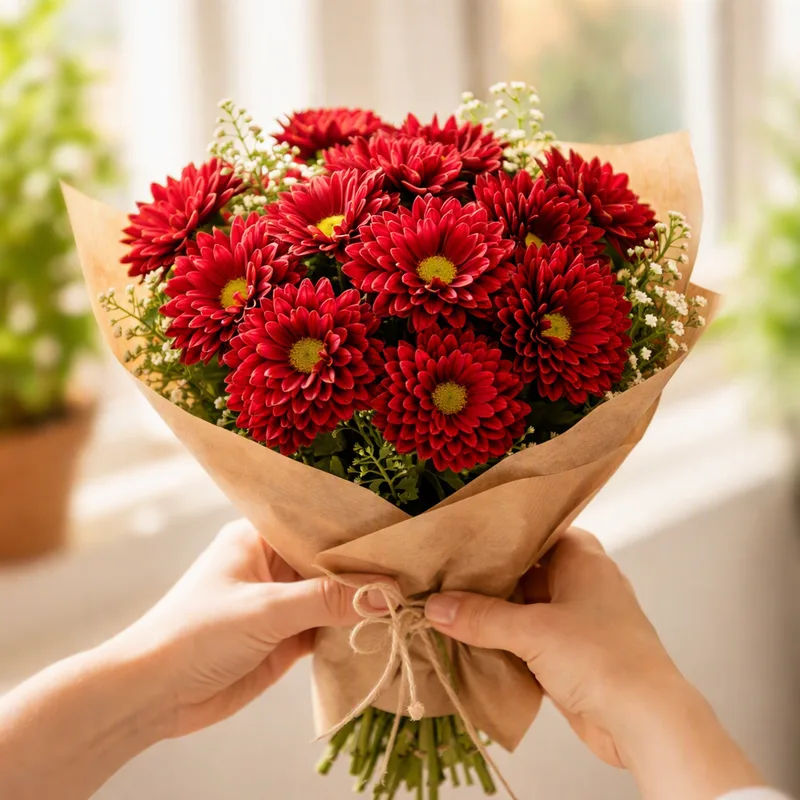
- Use as the focal flower in a Mother's Day arrangement, supported by foliage such as eucalyptus.
Red mums in a southern garden
Red-flowering garden mums are a cool-season delight in Melbourne, Hobart, Canberra and the Adelaide Hills. They flower from March as the nights lengthen and respond well to pinching in spring. Dark petals show sunburn and heat damage more, so choose a spot with afternoon shade in hot inland areas.
Pet warning for red bunches
Chrysanthemums of every colour contain pyrethrins and sesquiterpene lactones. The ASPCA reports that they are toxic to dogs, cats and horses and can cause vomiting, diarrhoea, drooling and skin problems.